Since 1994 · Wenzhou plant · Built to API 608 / ASME B16.34 · Europe office in Budapestsales@bautu.comWhatsApp +36 30 713 3633
API 608 is the American Petroleum Institute standard for metal ball valves with flanged, butt-welding, socket-welding and threaded ends. It takes a ball valve that already meets ASME B16.34 and adds ball-valve-specific requirements. Flanged valves are covered from NPS ½ to NPS 24 in Class 150, 300 and 600. It is the usual choice for refinery, chemical and general process piping — not for long-distance pipelines, which are normally specified to API 6D.
The current edition (6th edition) covers both floating (seat-supported) ball and trunnion ball designs. Trunnion valves with double-piston-effect seats are outside its scope. Size and pressure class depend on the end connection:
| End connection | Sizes | Pressure classes |
|---|---|---|
| Flanged | NPS ½ – 24 (DN 15 – 600) | 150, 300, 600 |
| Butt-welding | NPS ½ – 24 (DN 15 – 600) | 150, 300, 600, 800 |
| Socket-welding | NPS ¼ – 2 (DN 8 – 50) | 150, 300, 600, 800 |
| Threaded | NPS ¼ – 2 (DN 8 – 50) | 150, 300, 600, 800 |
An API 608 valve sits on a set of related standards. When you write a specification, these are the ones that usually travel together:
Buyers often ask for “API 6D / API 608” on the same enquiry. They are different documents written for different jobs:
| API 608 | API 6D | |
|---|---|---|
| Full title | Metal Ball Valves — Flanged, Threaded and Welding Ends | Pipeline and Piping Valves |
| Valve types | Ball valves only | Ball, gate, plug and check valves |
| Typical service | Refinery, chemical and process plant piping, utilities | Oil and gas pipelines and pipeline stations |
| Basis | ASME B16.34 plus ball-valve requirements | A full stand-alone specification |
| Testing | API 598 | API 6D’s own test requirements |
| Cost | Lower | Higher |
If your line is inside a plant — tank farms, process units, water and chemical lines — API 608 is normally enough. If the project specification names API 6D, quote API 6D and do not substitute.
A complete enquiry gets a correct quote in one round. Send us these eight points:
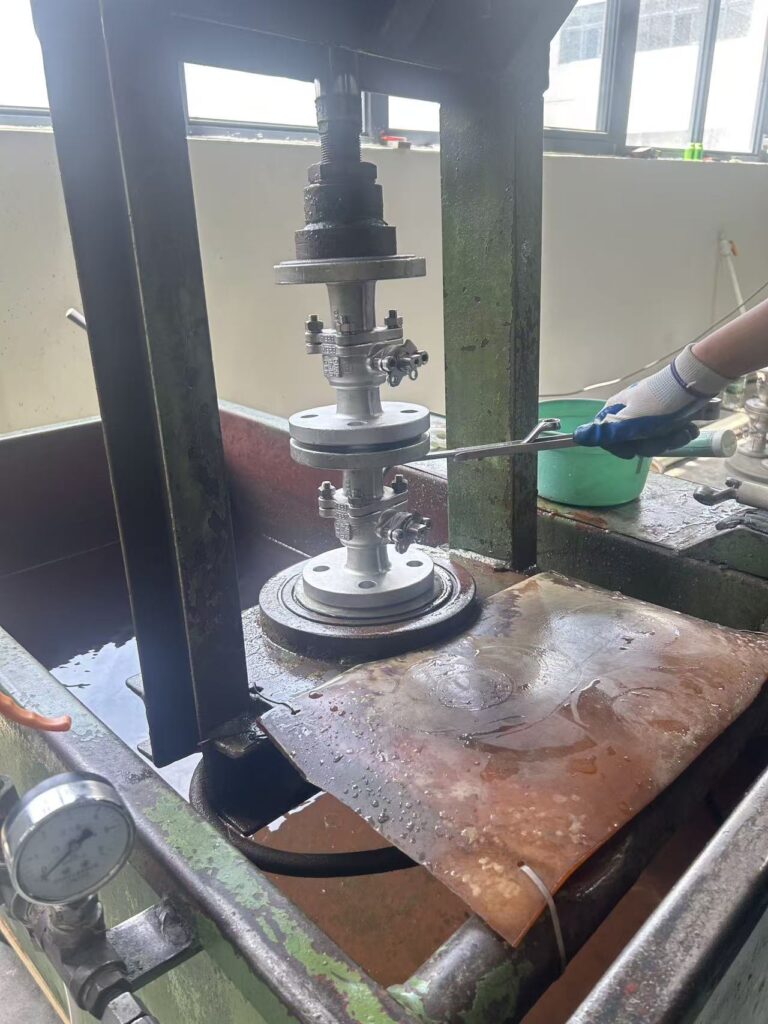
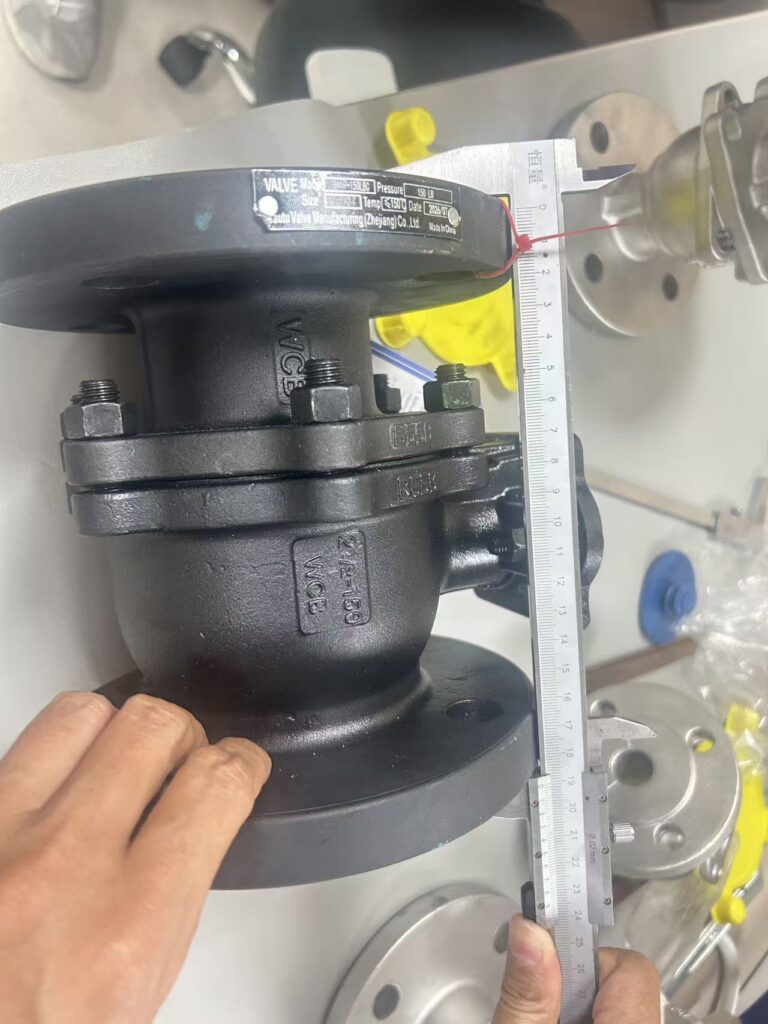
We make our API 608 ball valves in our own plant in Wenzhou, China. To be clear about what that means: our valves are built to API 608 and ASME B16.34 and tested to API 598. We do not hold an API certificate for this standard. ISO 9001 and API 607 are in application.
No. API 608 covers metal ball valves for plant and process piping and builds on ASME B16.34. API 6D is a separate specification for pipeline valves, with its own design and test requirements. A valve built to one is not automatically compliant with the other.
Flanged valves are covered in Class 150, 300 and 600. Butt-welding, socket-welding and threaded valves are covered in Class 150, 300, 600 and 800.
No. Our ball valves are built to API 608 and ASME B16.34 and tested to API 598, but we do not hold an API certificate for this standard. ISO 9001 and API 607 are in application. Every order ships with our Product Test Report, and buyers are welcome to bring their own third-party inspector.
Our Product Test Report lists the heat number, chemical composition, mechanical properties and the API 598 shell, high-pressure seat and low-pressure air test results for the order.
PTFE suits clean media from −29 to +150 °C. RPTFE takes you up to +180 °C. For higher temperatures or media with particles or scale, choose a metal-seated valve.
Standard scope from API Standard 608, 6th edition. This guide is for selection only; always follow your project specification.
