Since 1994 · Wenzhou plant · Built to API 608 / ASME B16.34 · Europe office in Budapestsales@bautu.comWhatsApp +36 30 713 3633
Home / Ball Valves / 3-Way Flanged Ball Valve

3-way ball valve · Made in our Wenzhou plant

3-Way Flanged Ball Valve — T-Port & L-Port, PN16

3-WAY · T-PORT / L-PORT · PN16 · TESTED PER GB/T 26480

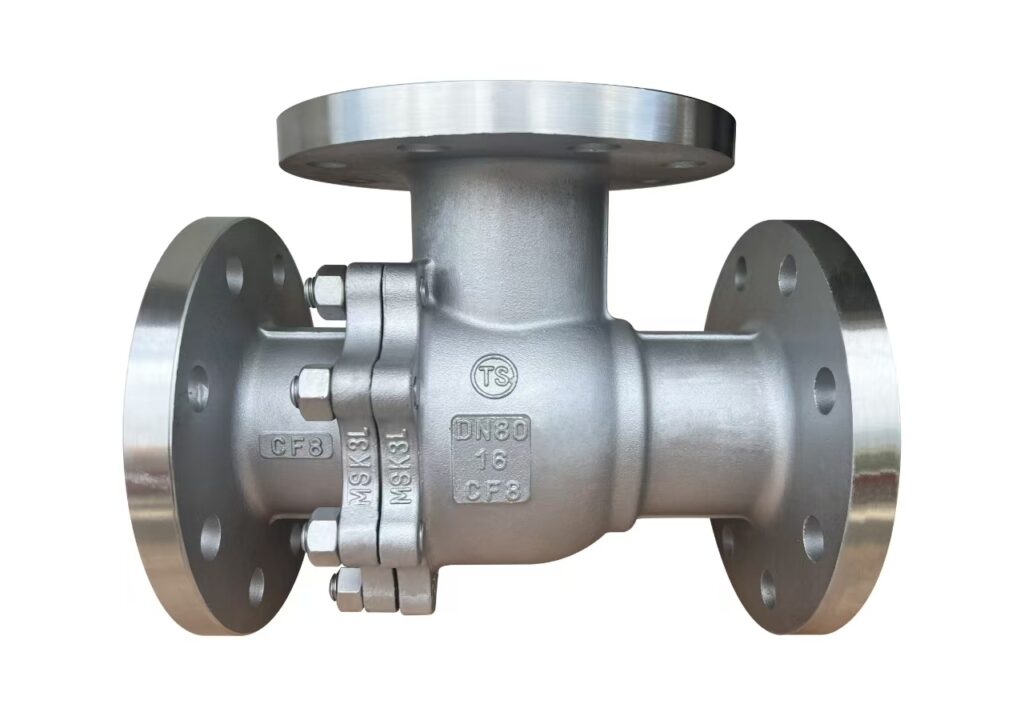
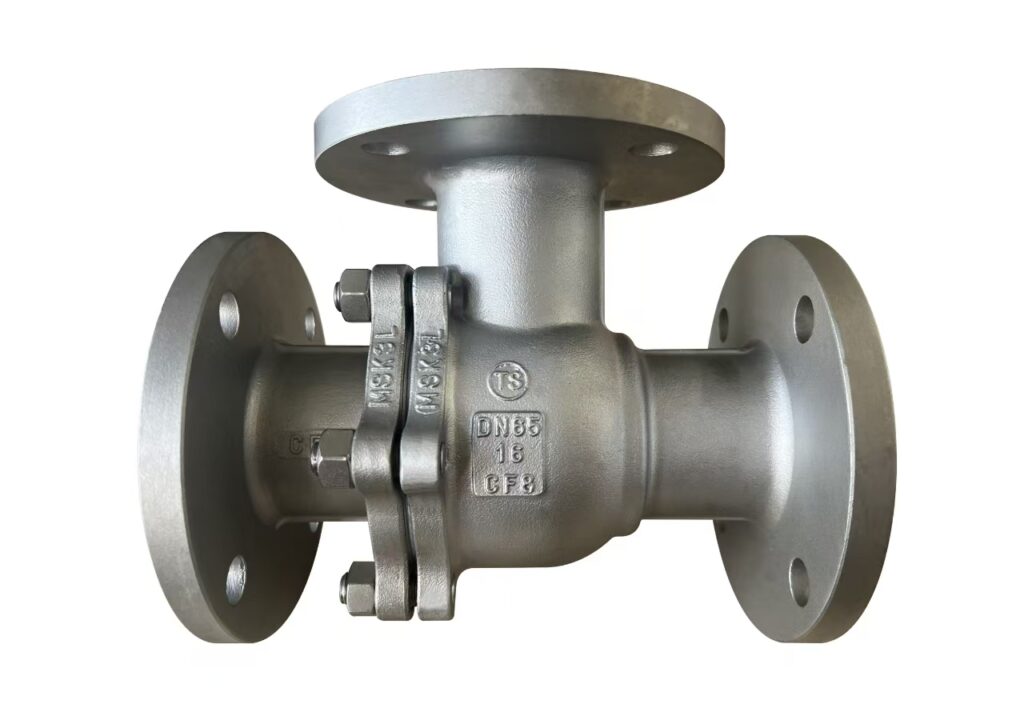
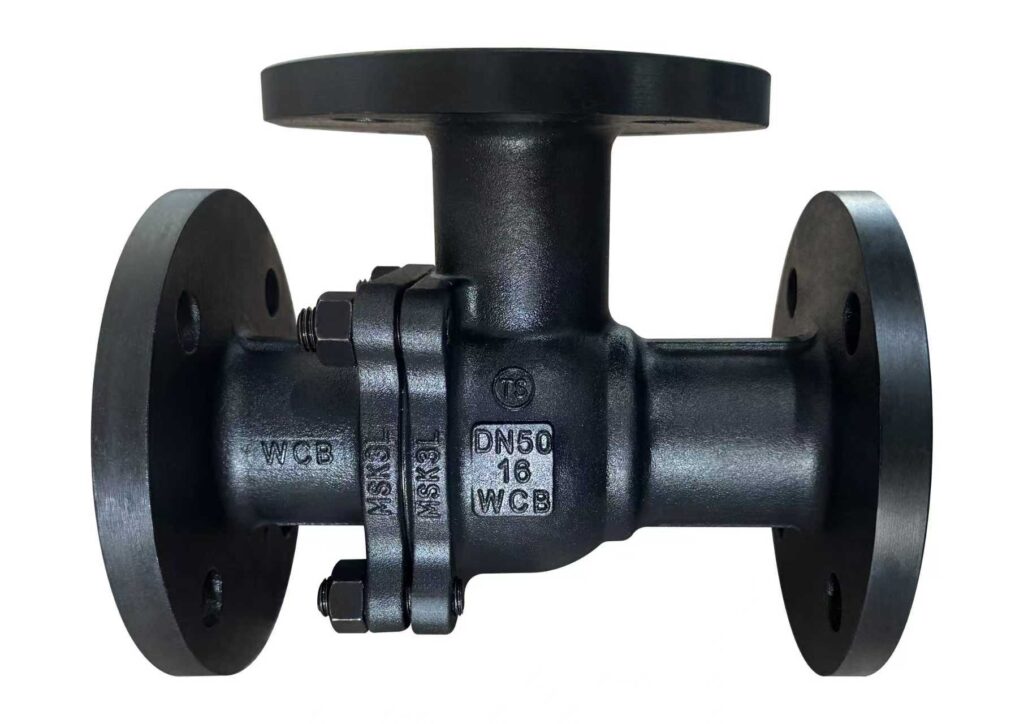
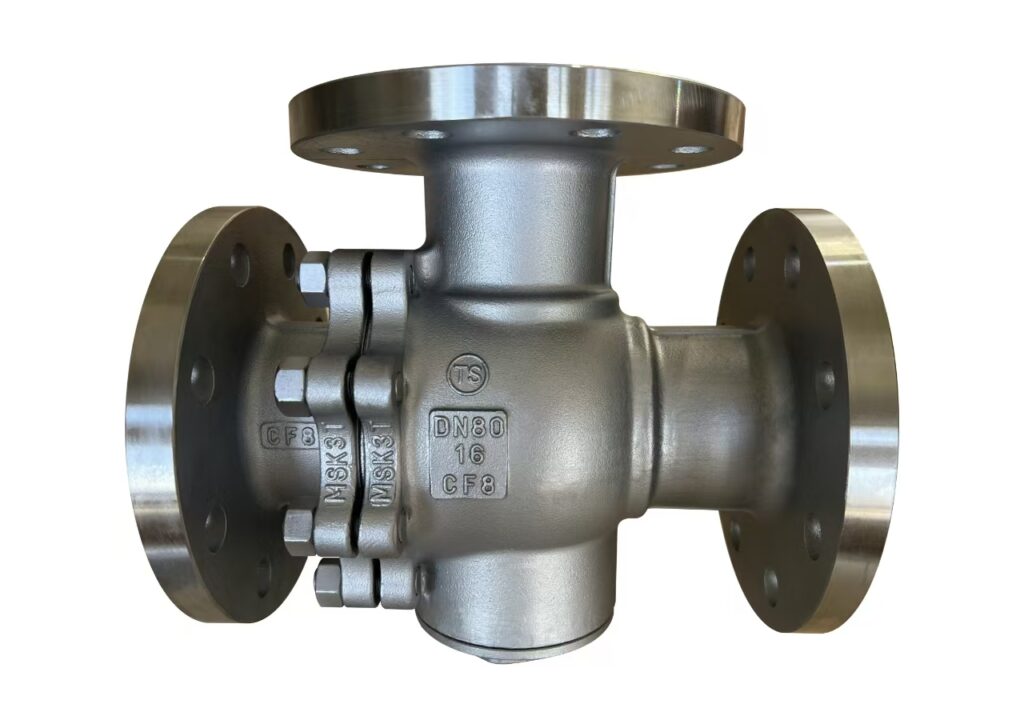
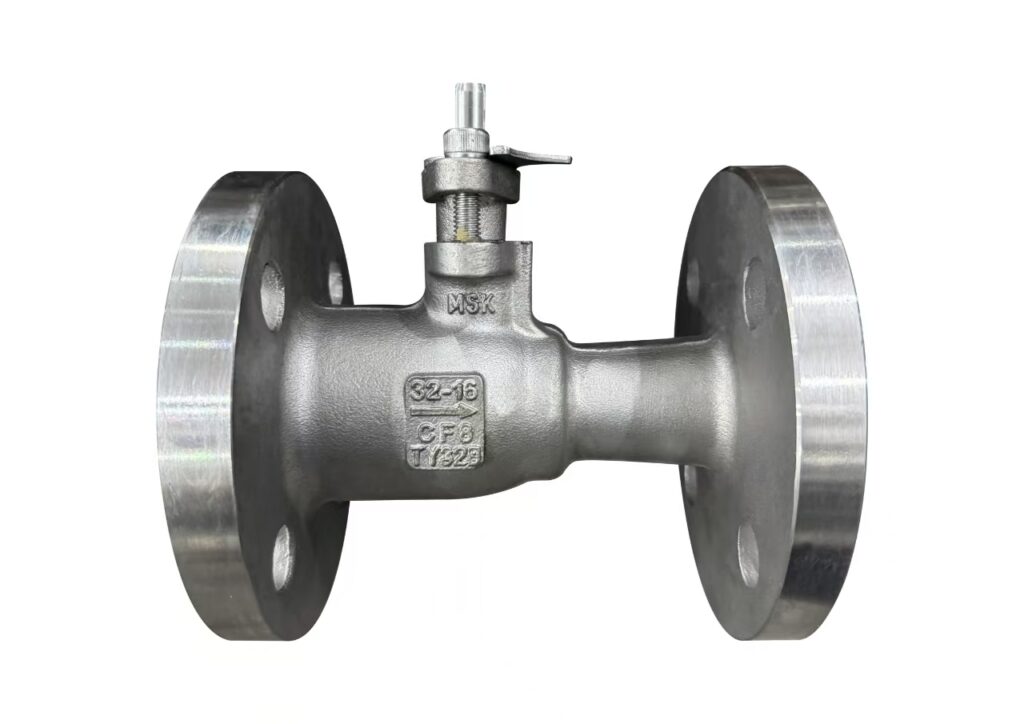
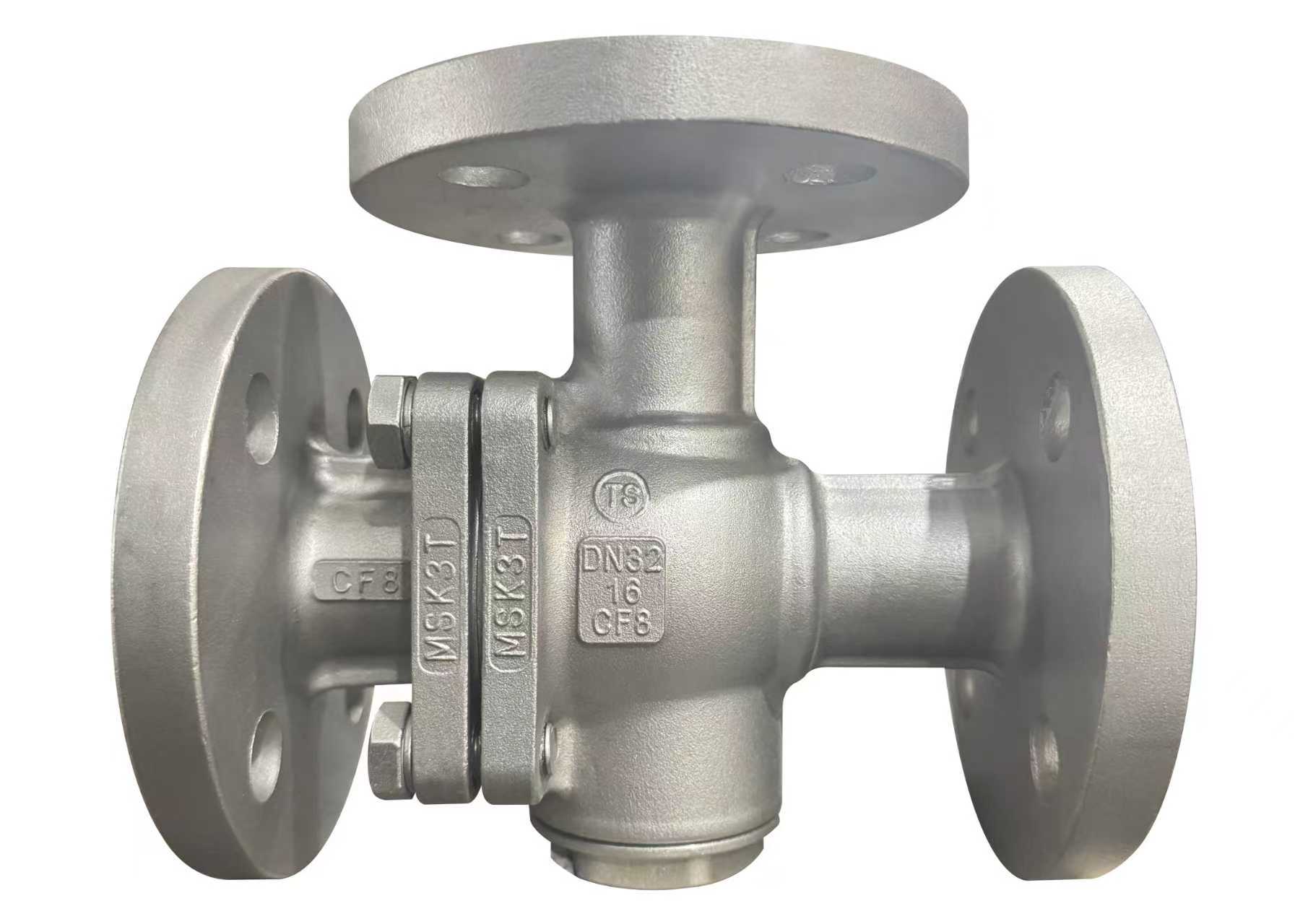
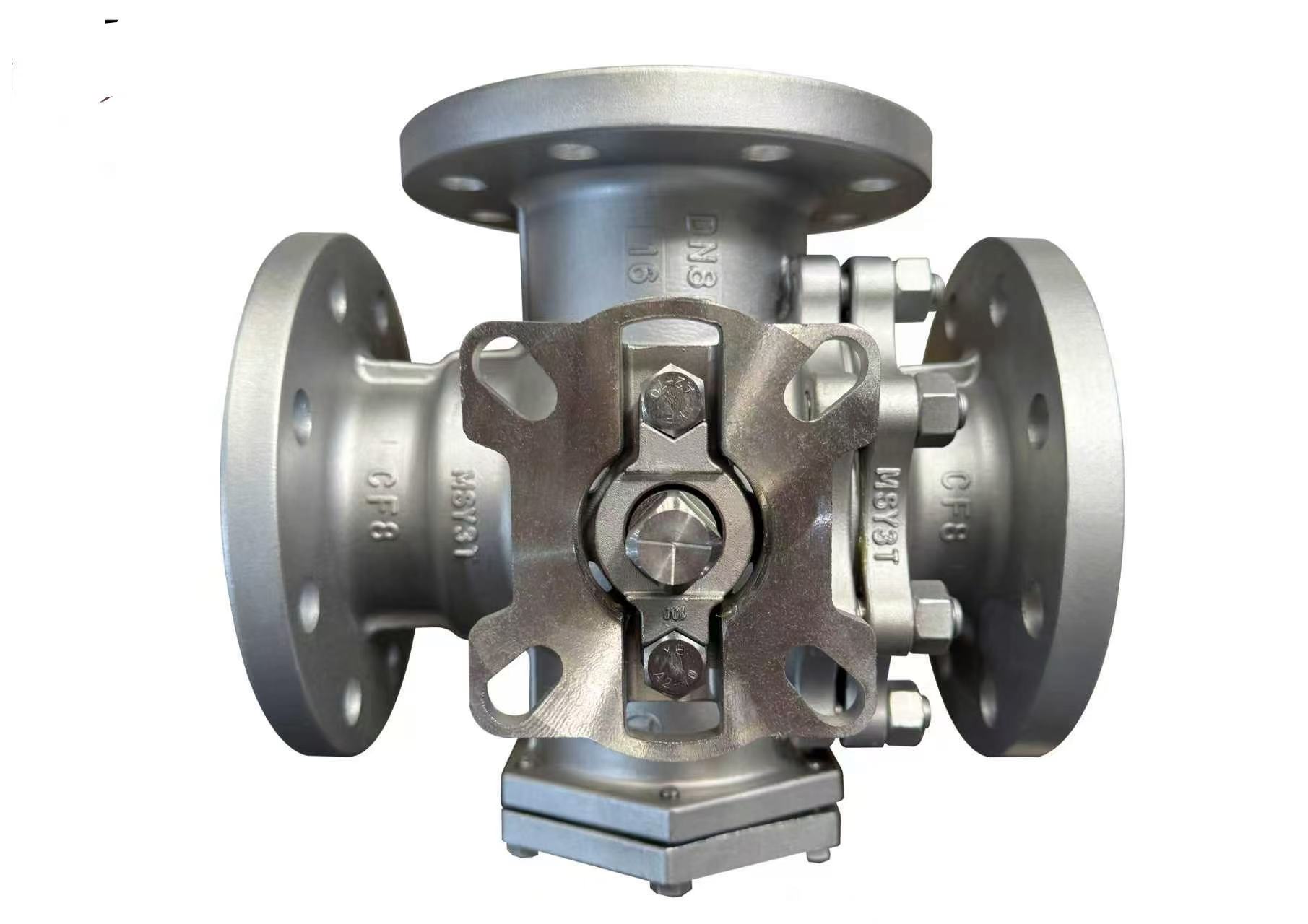
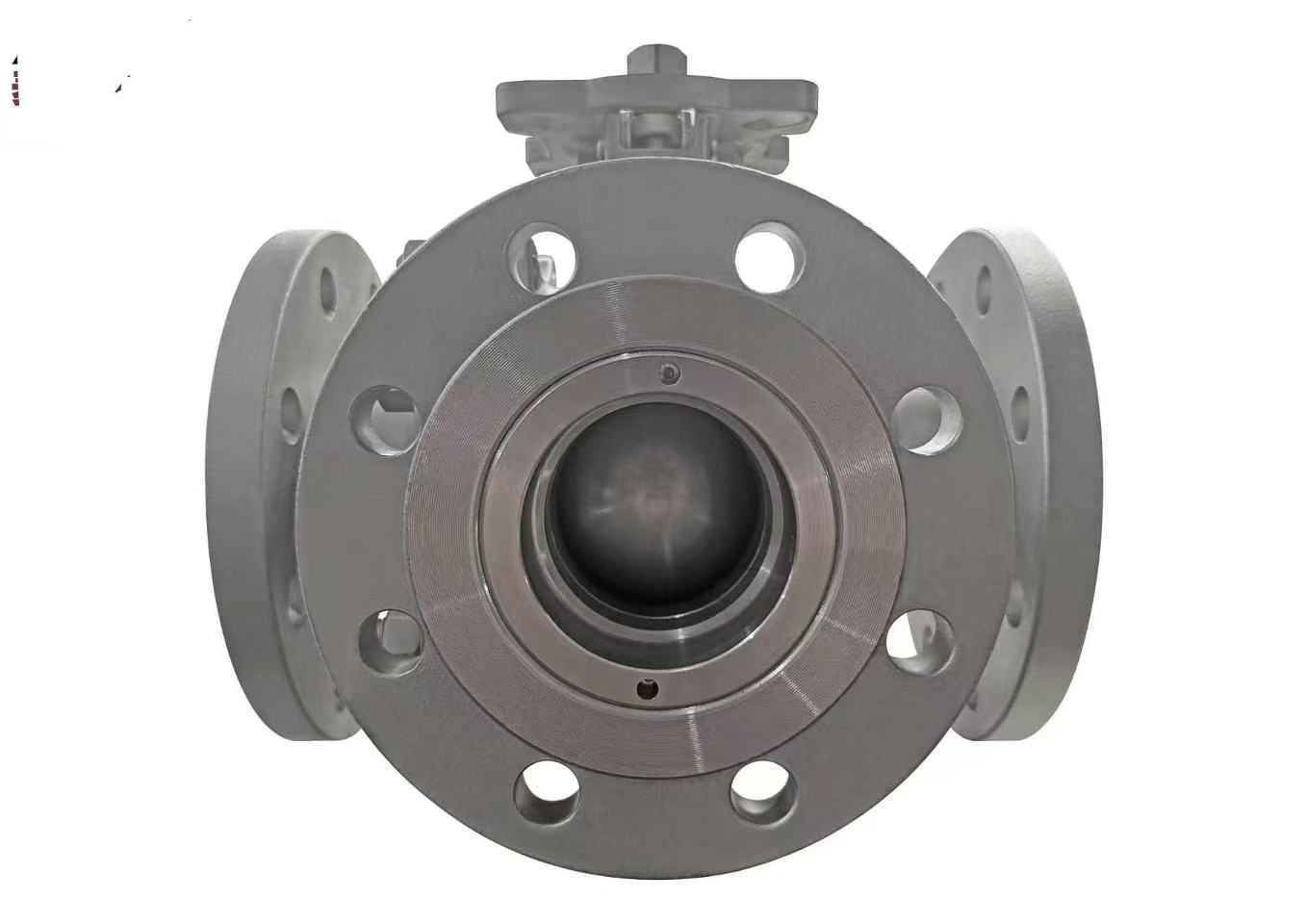
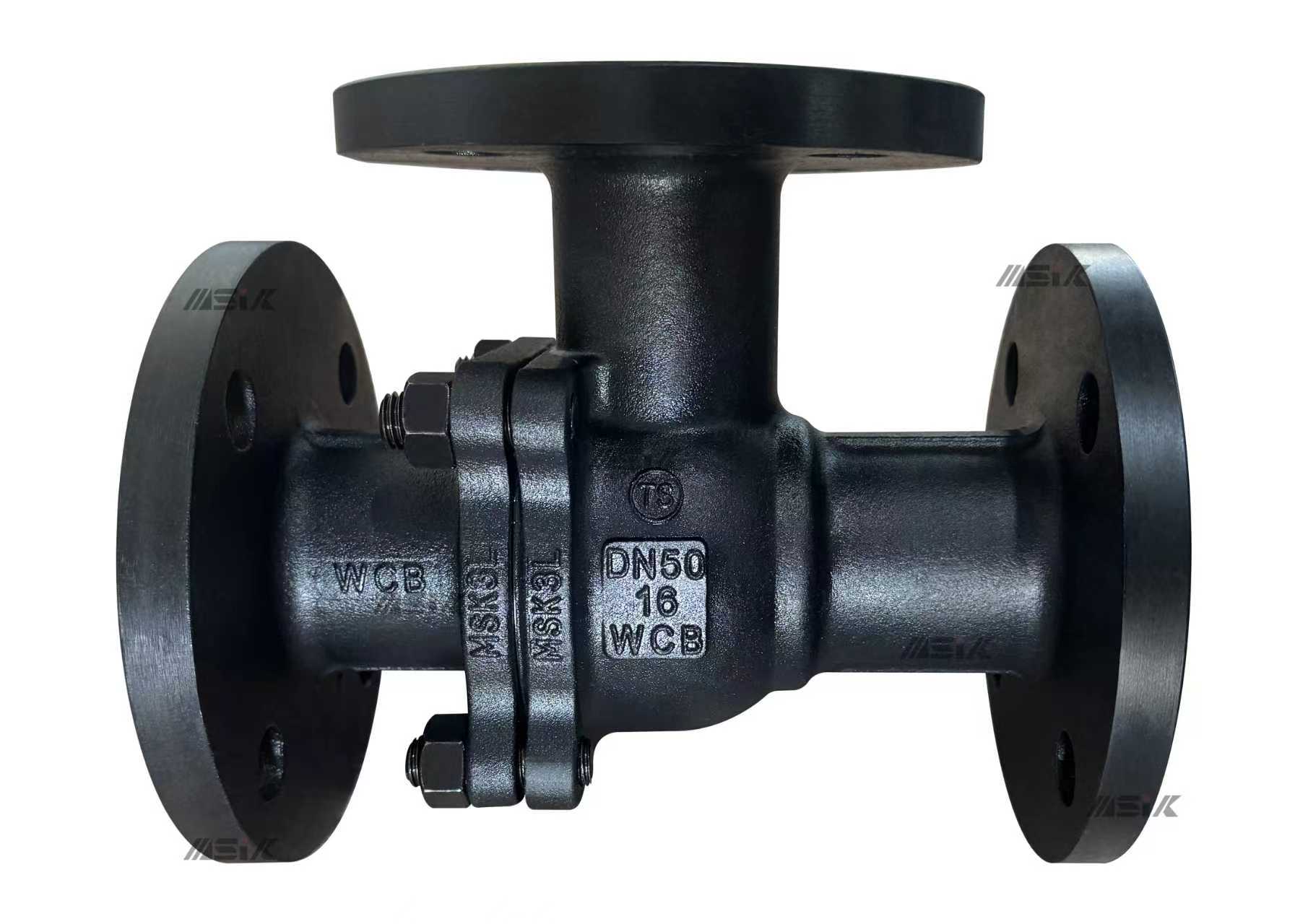
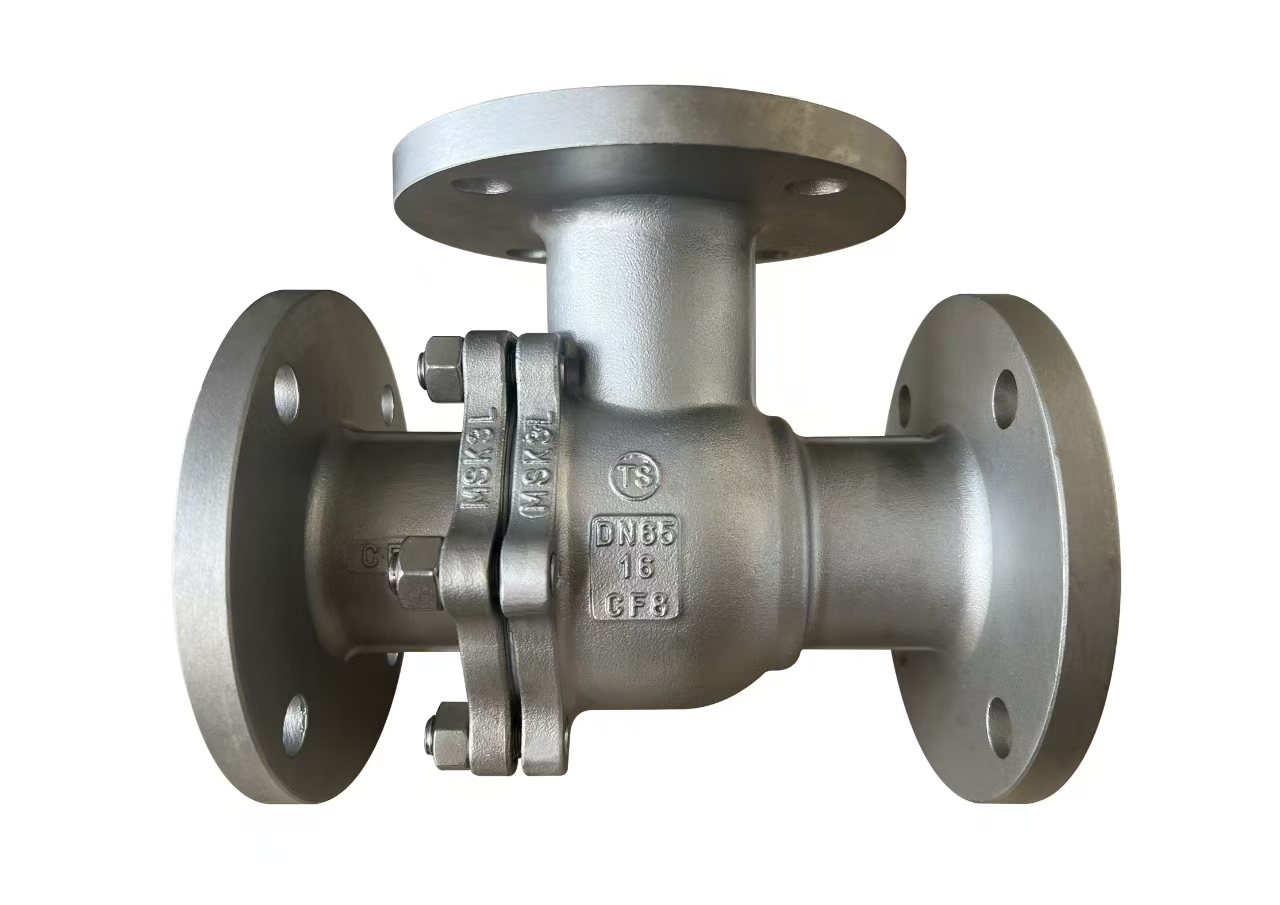
A flanged ball valve with three ports: two in line and one branch. The bore through the ball is T-shaped or L-shaped, so one valve can divert, switch or mix flow between three pipes. Made with a fixed (trunnion-mounted) ball or a floating ball. Cast body in CF8 stainless steel or WCB carbon steel, rated PN16, made and pressure-tested in our own plant.

Ports3 (A · B · C)
Ball boreT-port or L-port
RatingPN16
BodyCF8 · WCB
BallFixed or floating
Lead time15–20 days
  • T-port ball: 4 flow positions; L-port ball: 2 flow positions
  • DN, PN and body material cast on every body
  • Every valve shell- and seat-tested before shipment

An engineer replies within 24 hours.

Flow patterns

T-Port or L-Port: How the Flow Is Switched

A and B are the in-line ports, C is the branch. Turning the stem moves the bore in the ball to a new position. Orange shows the connected ports.

T-port ball — 4 positions

ABC
Position 1
A + B + C connected
ABC
Position 2
C ↔ A, B closed
ABC
Position 3
C ↔ B, A closed
ABC
Position 4
A ↔ B straight through

L-port ball — 2 positions

ABC
Position 1
C ↔ A, B closed
ABC
Position 2
C ↔ B, A closed
  • T-port: to mix two flows into one, split one flow into two, or switch with a straight-through option
  • L-port: to send one inlet to one of two outlets (diverting), or to select one of two sources

Specifications

Technical Data

Valve type3-way ball valve, flanged
Ports3: two in line (A, B), one branch (C)
BallFixed (trunnion-mounted) or floating ball
Ball boreT-port or L-port
Pressure ratingPN16
Body materialCF8 (A351) stainless steel · WCB (A216) carbon steel
ConstructionBolted body joint
TopMounting pad for a gearbox or actuator
Body markingsDN, PN and material cast on the body
TestingGB/T 26480 — every valve
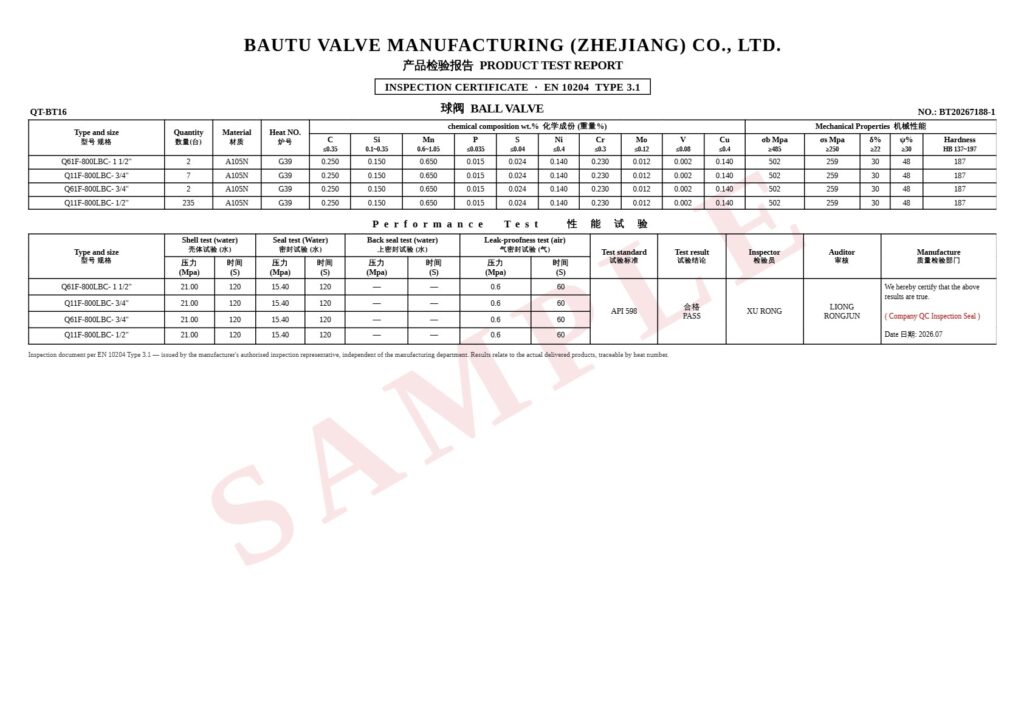
DocumentsMaterial certificate and test report with every shipment

Testing

Pressure Test on Every Valve

TestPressure
Shell test (water)PN16: 2.4 MPa
Seat test (water)PN16: 1.76 MPa

Tested per GB/T 26480. Actual values for each valve are on the test report shipped with the order.

Made in one plant

From Machining to Crate in Wenzhou
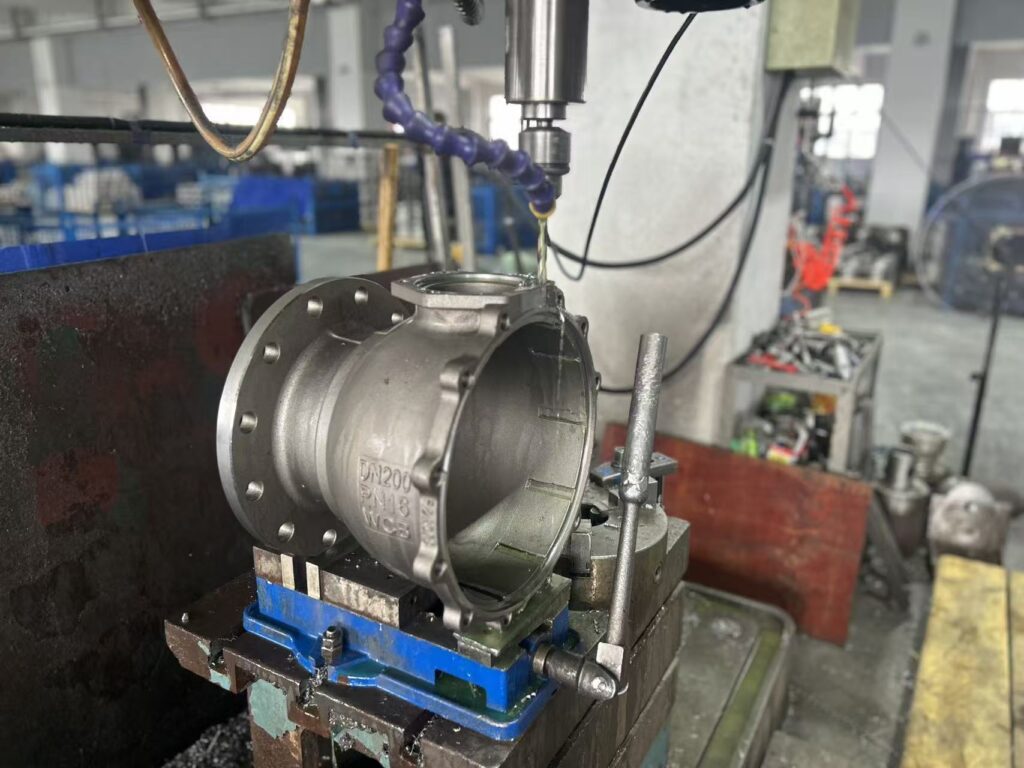
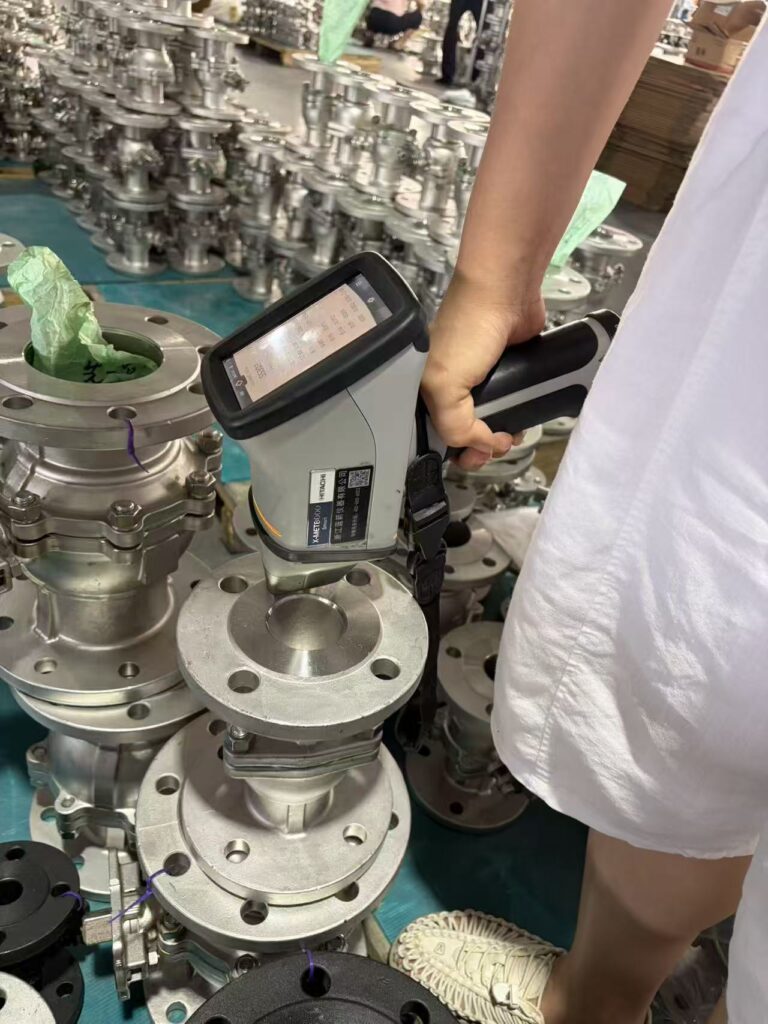
Machining a stainless steel ball valve body01 MACHINING
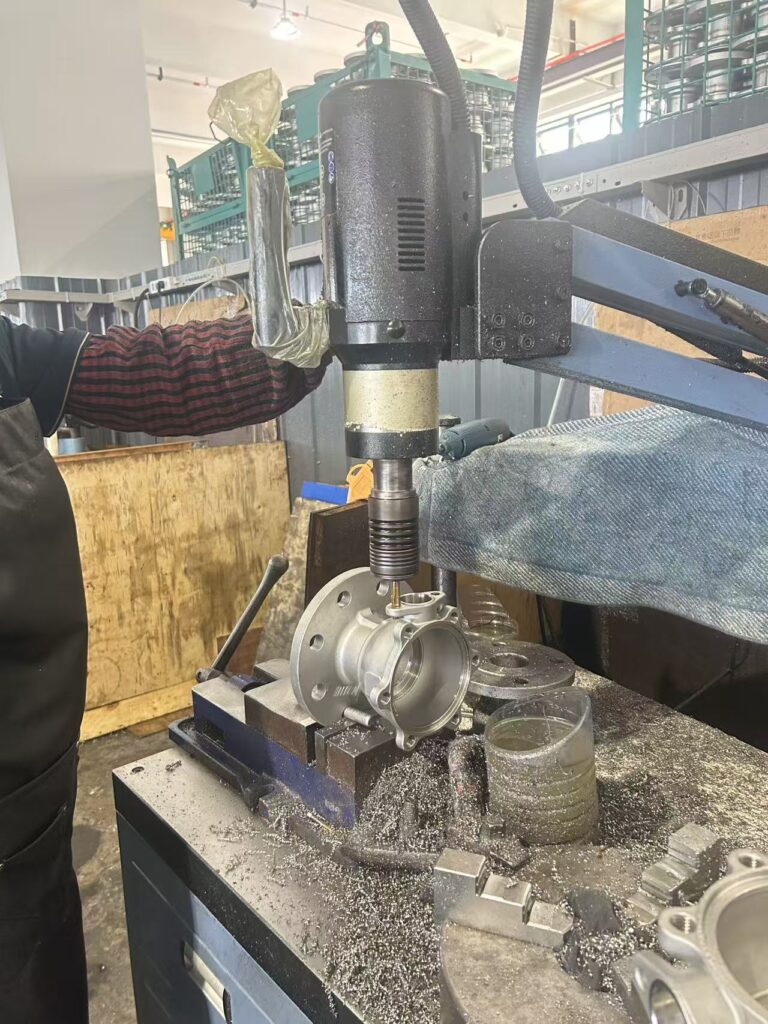
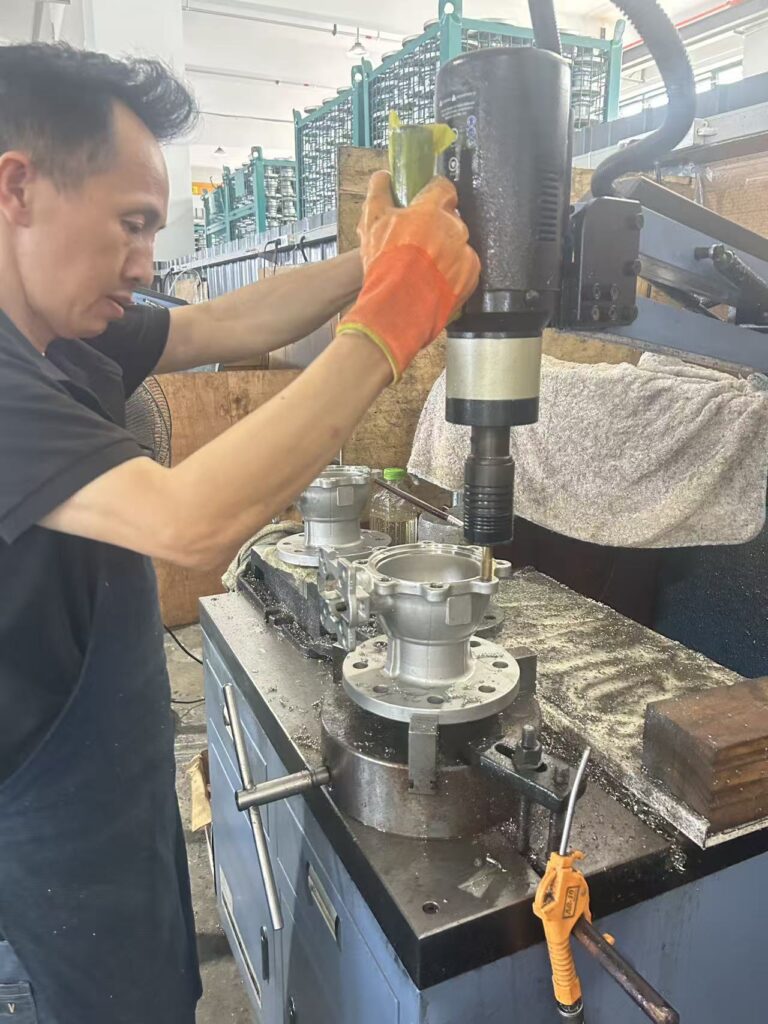
Drilling the flange bolt holes of a ball valve body02 DRILLING
Tightening body bolts during ball valve assembly03 ASSEMBLY
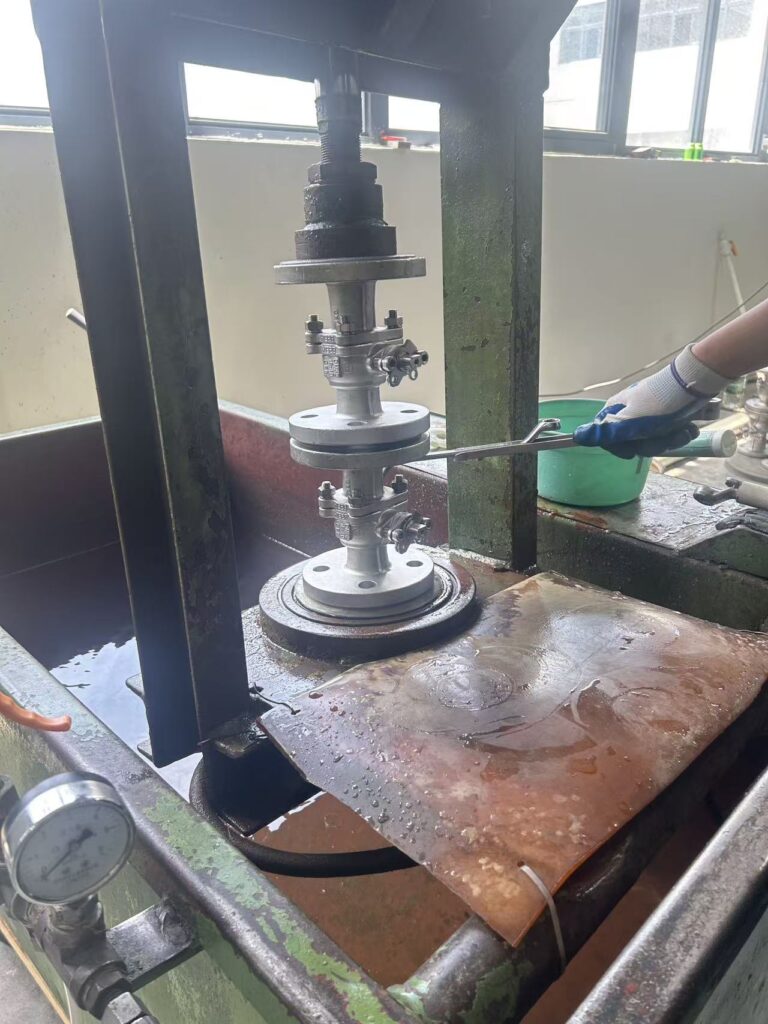
Ball valve clamped in the hydraulic test press04 PRESSURE TEST

See the valve before you order

Real footage from our ball valve line. Want to see your own order? Book a live video call and we show your valves on the test bench.

Book a Video Tour
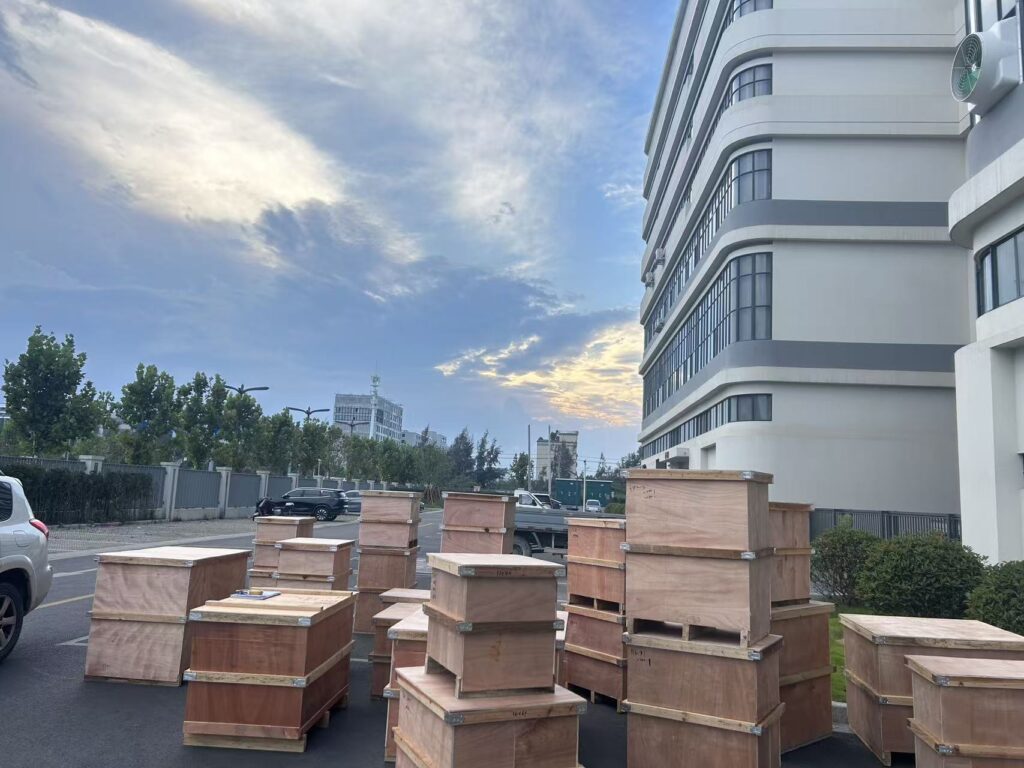
Export crates ready to ship in front of the BAUTU plant in WenzhouCRATED AT OUR PLANT

Packing & delivery

Packed for Sea Freight

  • Flange faces capped to protect the sealing face
  • Each valve bagged; the order packed in plywood cases
  • Product test report inside every case
  • Standard sizes ship in 15–20 days

How to order

Tell Us How the Valve Must Switch

A 3-way valve is chosen by its flow positions, not only by size. Mark the inlet and outlets on a sketch (A, B, C as in the diagrams above) and say which positions you need. We confirm the bore type with your quote.

Send us these 8 details for a fast quote

  1. Size (DN)
  2. T-port or L-port, fixed or floating ball, and the flow positions you need
  3. Body material (CF8 / WCB)
  4. Flange standard
  5. Media and operating temperature
  6. Operating pressure
  7. Hand-operated or actuated
  8. Quantity and destination port

FAQ

Frequently Asked Questions

What is the difference between a T-port and an L-port 3-way ball valve?

The T-port ball has a T-shaped bore and gives 4 flow positions: all three ports connected, branch to either side, or straight through. The L-port ball has an L-shaped bore and connects the branch to one side at a time (2 positions). Choose T-port to mix or split flow, L-port to divert one flow to one of two outlets.

Can a 3-way ball valve mix two flows?

Yes, with a T-port ball. In position 1 all three ports are open, so two inlets can feed one outlet, or one inlet can feed two outlets.

Which body materials do you make?

CF8 stainless steel and WCB carbon steel, both rated PN16. Size, rating and material are cast on every body.

What documents ship with the valve?

A material certificate and a pressure test report. We welcome third-party inspection, arranged and paid for by the buyer.

What is the lead time?

Standard sizes ship in 15–20 days. We confirm the delivery date with your quote.

Where is the valve made?

In our own plant in Wenzhou, China: machining, assembly and pressure testing.