

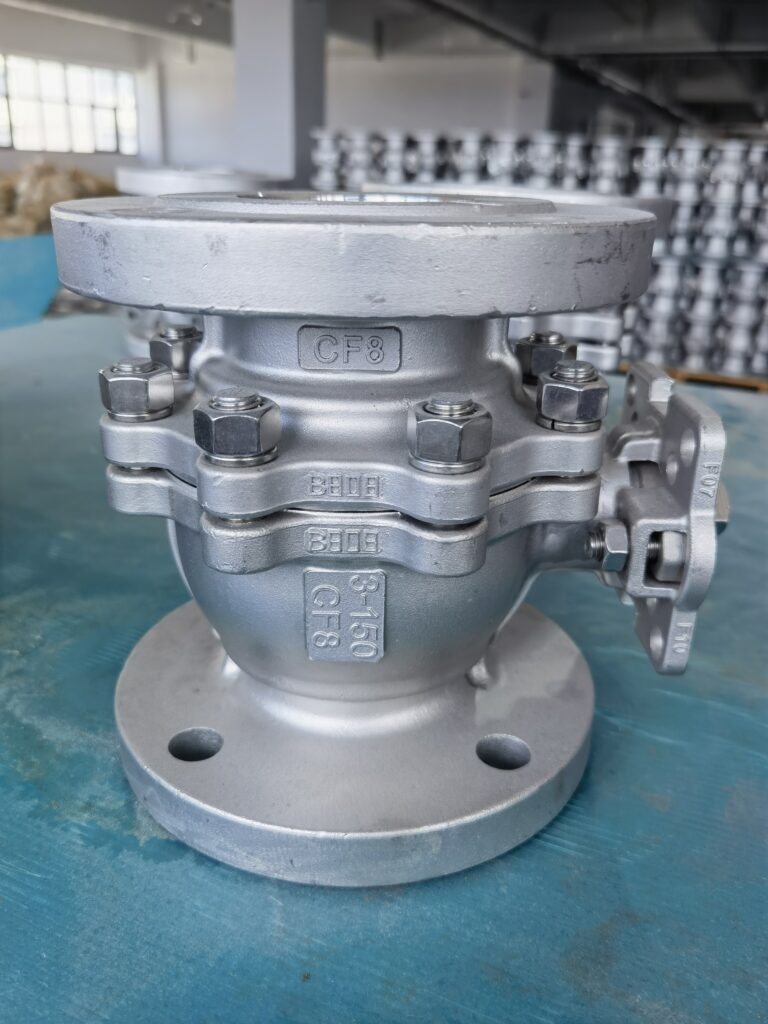
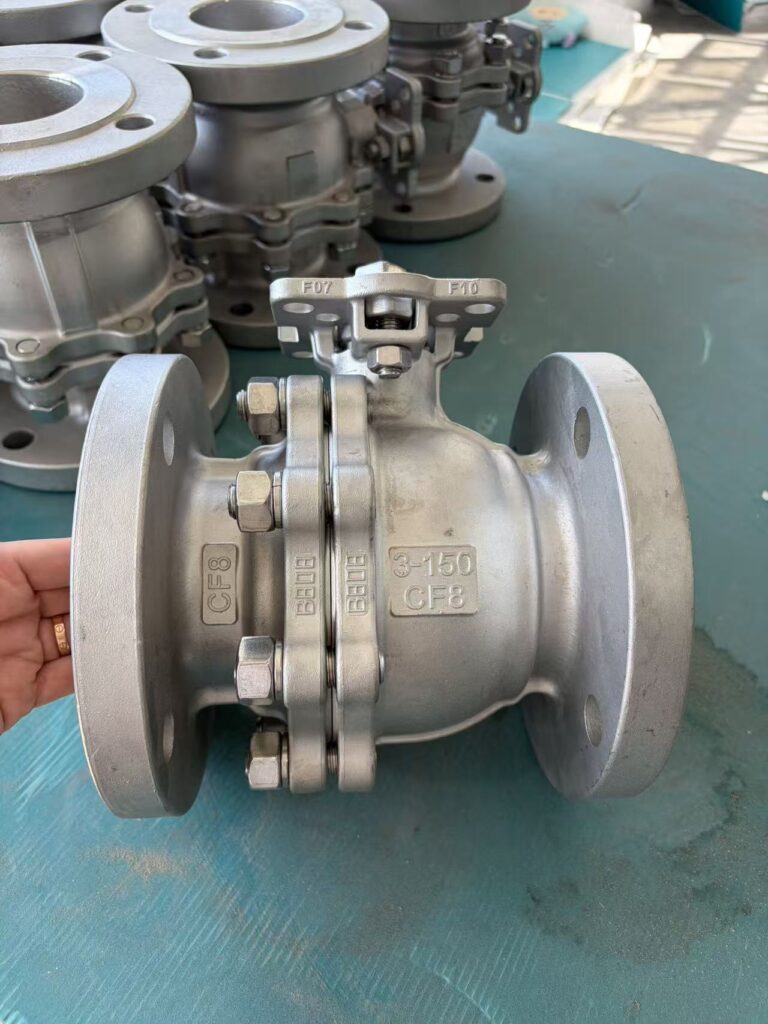
Metal-seated ball valve · Made in Wenzhou
API 608 Metal-Seated Ball Valve — Lever Operated
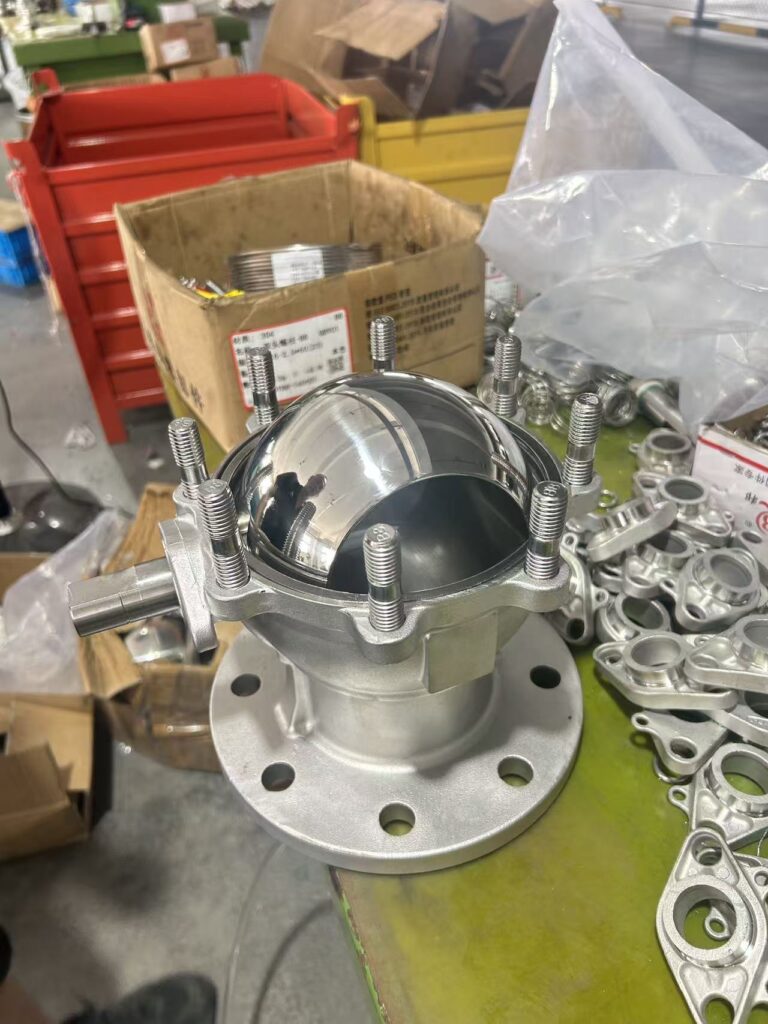
Flanged floating ball valve with a hardfaced ball and metal seats instead of PTFE, for lines up to +420 °C or media with particles that would wear out a soft seat. Opened and closed by a quarter-turn hand lever; graphite gasket and packing.
- Hardfaced ball and seats for hot media and media with solid particles
- Every valve shell and seat tested per API 598, test report in every shipment
- Standard sizes ship in 15–20 days
An engineer replies within 24 hours. Send size, class, material and quantity. Download GA drawing (PDF) →
Specifications
Technical Data
| Design standard | API 608 / ASME B16.34 |
| Face-to-face | ASME B16.10 |
| Flanges | ASME B16.5, raised face |
| Size range | NPS ½″–8″ (DN15–DN200) |
| Pressure class | Class 150 / Class 300 |
| Body material | WCB (A216) · CF8 (A351) · CF3M (A351) |
| Ball and seats | Stainless steel (F304 / F316L), hardfaced to suit the service: hard chrome plating (HCr), nickel alloy (Ni55 / Ni60), tungsten carbide (WC) or Stellite (STL) |
| Temperature | −29 °C to +420 °C (limited by body material and pressure) |
| Gasket and packing | Spiral-wound gasket, flexible graphite packing |
| Construction | Two-piece body, floating ball |
| Top flange | Drilled to ISO 5211 (F05–F14), see dimension table |
| Operation | Quarter-turn hand lever; actuator with bracket and coupling |
| Media | Water, oil and gas |
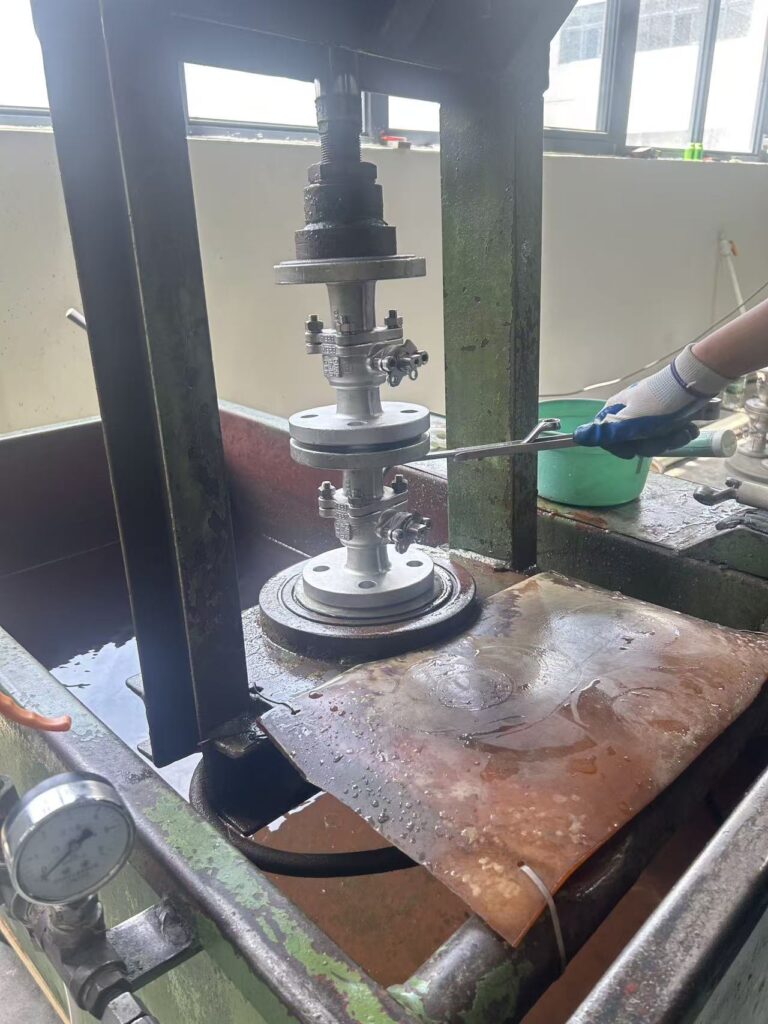
| Testing | API 598 — every valve |
| Fire test | API 607 certification in application |
Application
Where It Is Used
Choose metal seats when the temperature or the media would damage a PTFE seat. Below +150 °C with clean media, a soft-seated valve seals tighter and costs less.
- Hot oil and thermal oil lines
- High-temperature water and gas lines
- Media carrying particles or scale that would cut a PTFE seat
- Chemical lines (CF3M body)
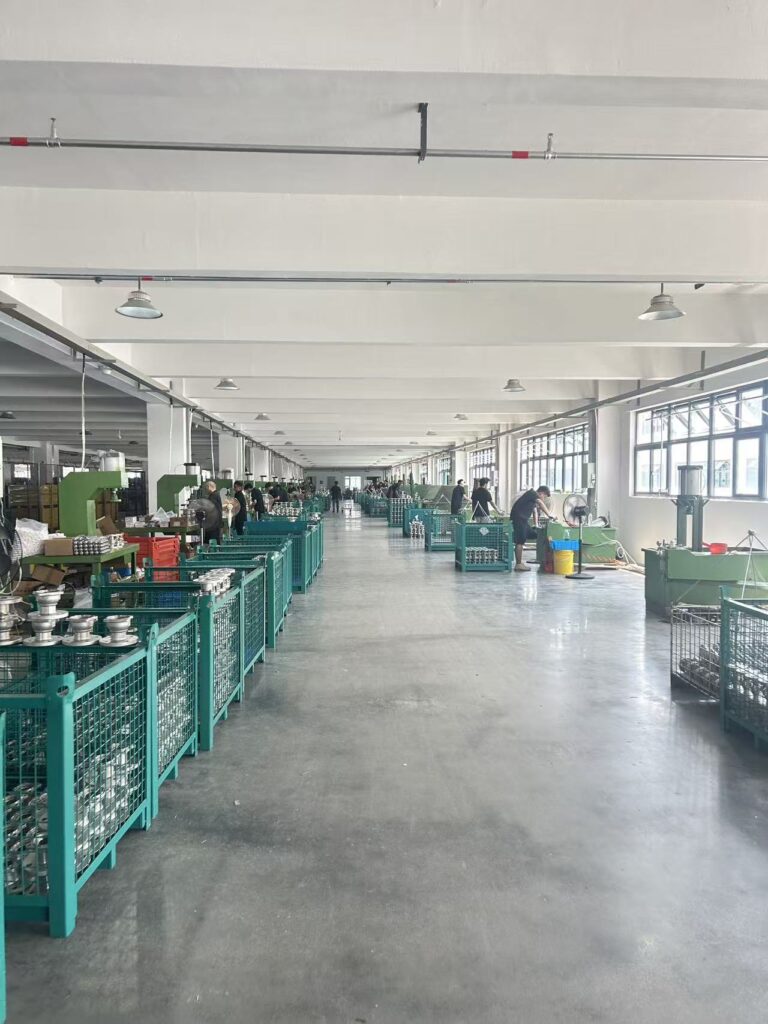 ASSEMBLY HALL · WENZHOU
Dimensions
Dimensions (mm)
Class 150 — flange and length
| NPS | DN | L | D | D1 | D2 | T | f | n-Ød |
|---|---|---|---|---|---|---|---|---|
| ½″ | DN15 | 108 | 90 | 60.3 | 35.1 | 11.6 | 2 | 4-Ø16 |
| ¾″ | DN20 | 117 | 100 | 69.9 | 42.9 | 13.2 | 2 | 4-Ø16 |
| 1″ | DN25 | 127 | 110 | 79.4 | 50.8 | 14.7 | 2 | 4-Ø16 |
| 1¼″ | DN32 | 140 | 115 | 88.9 | 63.5 | 16.3 | 2 | 4-Ø16 |
| 1½″ | DN40 | 165 | 125 | 98.4 | 73.2 | 17.9 | 2 | 4-Ø16 |
| 2″ | DN50 | 178 | 150 | 120.7 | 91.9 | 19.5 | 2 | 4-Ø19 |
| 2½″ | DN65 | 190 | 180 | 139.7 | 105 | 22.7 | 2 | 4-Ø19 |
| 3″ | DN80 | 203 | 190 | 152.4 | 127 | 24.3 | 2 | 4-Ø19 |
| 4″ | DN100 | 229 | 230 | 190.5 | 157 | 24.3 | 2 | 8-Ø19 |
| 5″ | DN125 | 356 | 255 | 215.9 | 186 | 24.3 | 2 | 8-Ø22 |
| 6″ | DN150 | 394 | 280 | 241.3 | 216 | 25.9 | 2 | 8-Ø22 |
| 8″ | DN200 | 457 | 345 | 298.5 | 270 | 29 | 2 | 8-Ø22 |
Class 300 — flange and length
| NPS | DN | L | D | D1 | D2 | T | f | n-Ød |
|---|---|---|---|---|---|---|---|---|
| ½″ | DN15 | 140 | 95 | 66.7 | 35.1 | 14.7 | 2 | 4-Ø16 |
| ¾″ | DN20 | 152 | 115 | 82.6 | 42.9 | 16.3 | 2 | 4-Ø18 |
| 1″ | DN25 | 165 | 125 | 88.9 | 50.8 | 17.9 | 2 | 4-Ø18 |
| 1¼″ | DN32 | 178 | 135 | 98.4 | 63.5 | 19.5 | 2 | 4-Ø18 |
| 1½″ | DN40 | 190 | 155 | 114.3 | 73.2 | 21.1 | 2 | 4-Ø22 |
| 2″ | DN50 | 216 | 165 | 127 | 91.9 | 22.7 | 2 | 8-Ø18 |
| 2½″ | DN65 | 241 | 190 | 149.2 | 105 | 25.9 | 2 | 8-Ø22 |
| 3″ | DN80 | 282 | 210 | 168.3 | 127 | 29 | 2 | 8-Ø22 |
| 4″ | DN100 | 305 | 255 | 200 | 157 | 32.2 | 2 | 8-Ø22 |
| 5″ | DN125 | 381 | 280 | 235 | 186 | 35.4 | 2 | 8-Ø22 |
| 6″ | DN150 | 403 | 320 | 269.9 | 216 | 37 | 2 | 12-Ø22 |
| 8″ | DN200 | 502 | 380 | 330.2 | 270 | 41.7 | 2 | 12-Ø26 |
Top works — Class 150 and 300
| NPS | DN | Stem F × ØY | Top flange ØE / ISO 5211 | Top flange bolts | Lever M |
|---|---|---|---|---|---|
| ½″ | DN15 | 9×Ø14 | 50 / F05 | 4-M6 | 160 |
| ¾″ | DN20 | 9×Ø14 | 50 / F05 | 4-M6 | 160 |
| 1″ | DN25 | 10×Ø16 | 50 / F05 | 4-M6 | 180 |
| 1¼″ | DN32 | 10×Ø16 | 50 / F05 | 4-M6 | 180 |
| 1½″ | DN40 | 14×Ø20 | 70 / F07 | 4-M8 | 230 |
| 2″ | DN50 | 14×Ø20 | 70 / F07 | 4-M8 | 230 |
| 2½″ | DN65 | 16×Ø24 | 90 / F09 | 4-M10 | 270 |
| 3″ | DN80 | 17×Ø26 | 90 / F09 | 4-M10 | 310 |
| 4″ | DN100 | 17×Ø26 | 90 / F09 | 4-M10 | 310 |
| 5″ | DN125 | 21×Ø32 | 102 / F10 | 4-M10 | 600 |
| 6″ | DN150 | 24×Ø36 | 125 / F12 | 4-M12 | 700 |
| 8″ | DN200 | 27×Ø40 | 140 / F14 | 4-M16 | 800 |
L = face-to-face (ASME B16.10) · D = flange O.D. · D1 = bolt circle · D2 = raised face O.D. · T = flange thickness · f = raised face height · n-Ød = bolt holes · Stem F × ØY = stem flats × stem diameter · ØE = top flange bolt circle · M = lever length. Flanges to ASME B16.5.
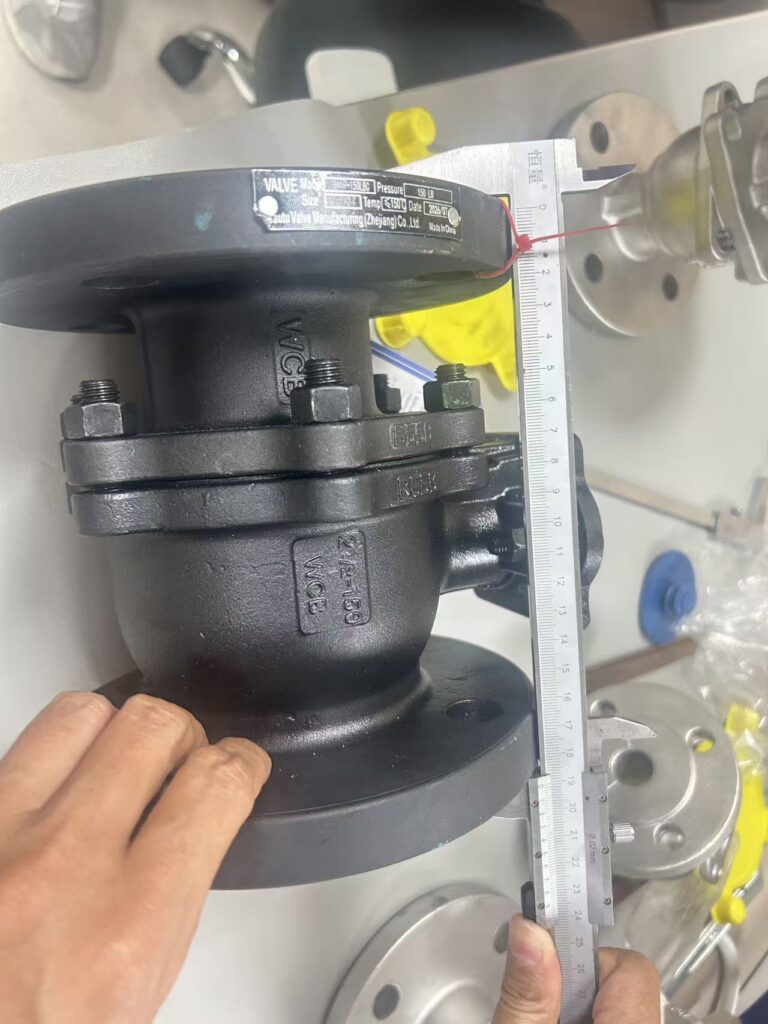 FACE-TO-FACE CHECK
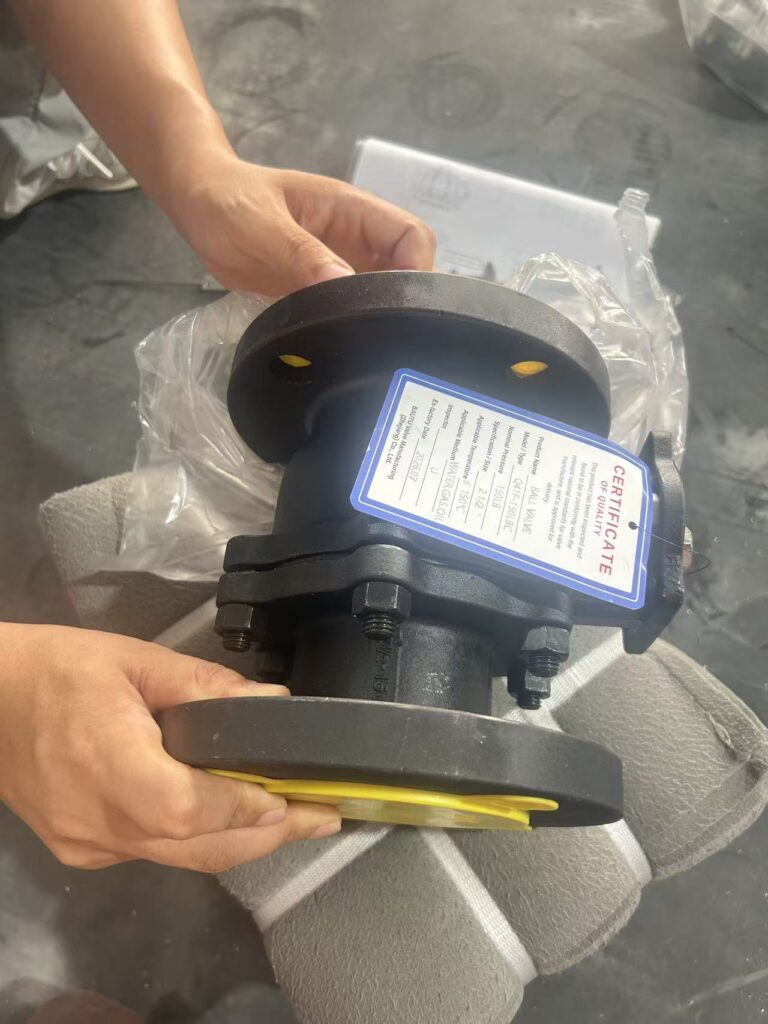 QC TAG ON EVERY VALVE
Checked before packing
Face-to-face and flange dimensions are checked with calipers against ASME B16.10 and B16.5 before packing. Each valve gets a QC tag with model, size, class and inspector.
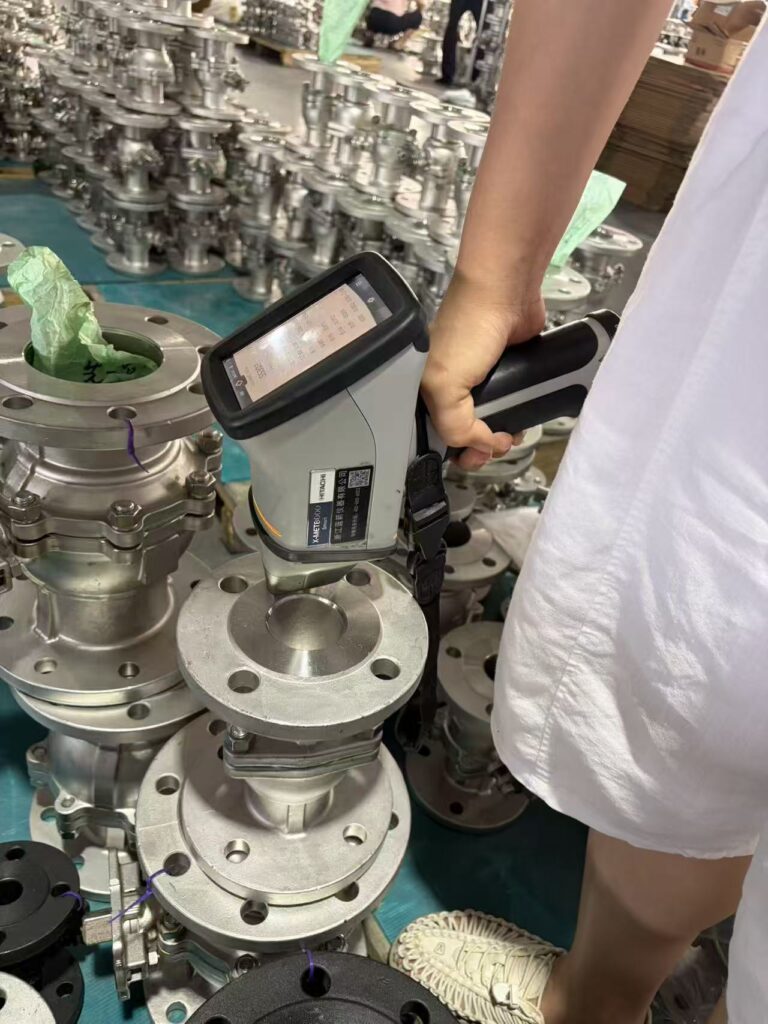 MATERIAL CHECK · SPECTROMETER
Quality records
Mill Test Certificate (EN 10204 3.1) in Every Shipment
- Heat number of the body casting
- Chemical composition against ASTM limits
- Mechanical properties: tensile, yield, elongation
- Shell and seat test pressure and hold time per API 598
- Signed and stamped by our QC department
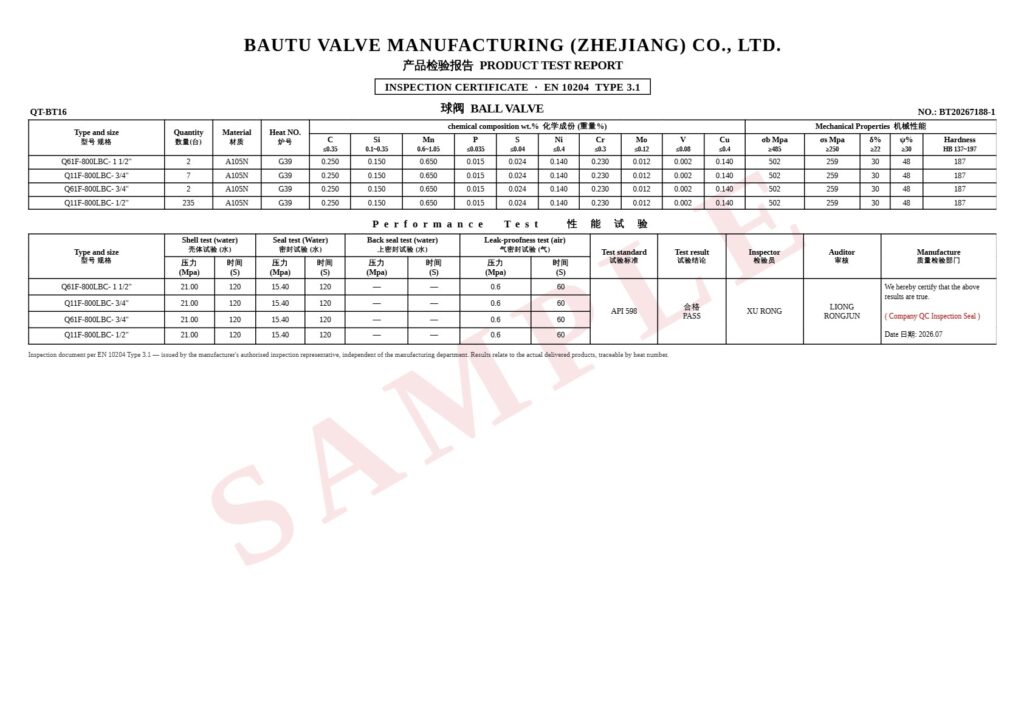 SAMPLE MTC · EN 10204 3.1 · CLICK TO OPEN
We welcome third-party inspection (e.g. SGS or BV), arranged and paid for by the buyer; inspectors get full access to our plant and test bench.
Download Sample MTC (PDF)Made in one plant
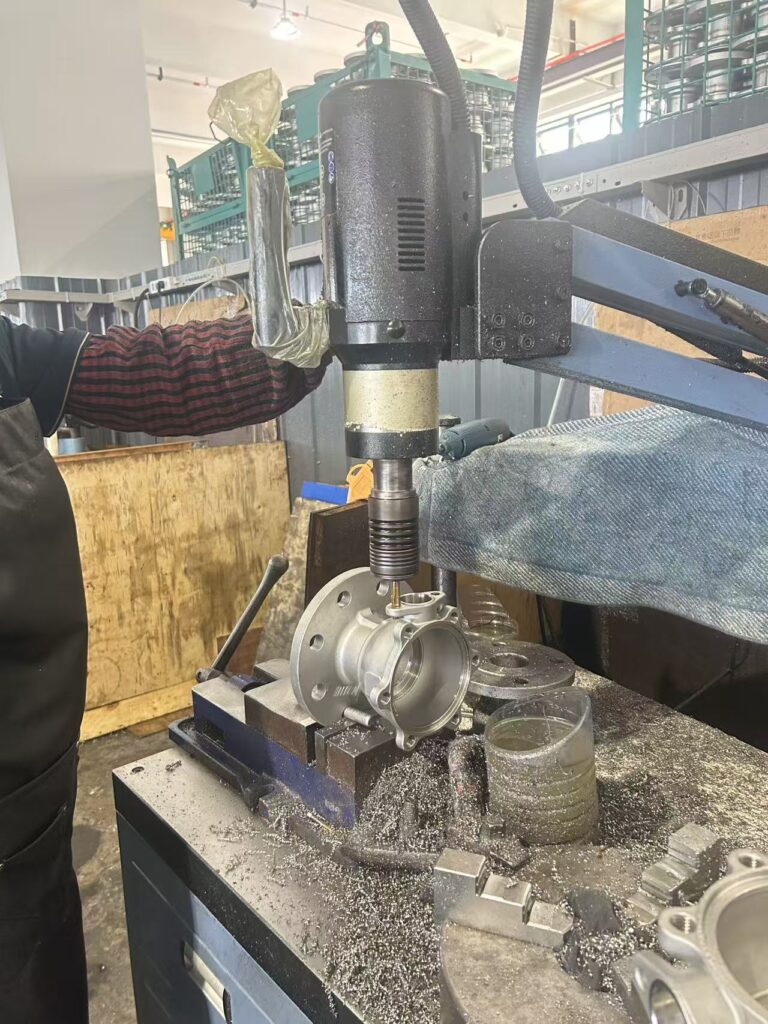
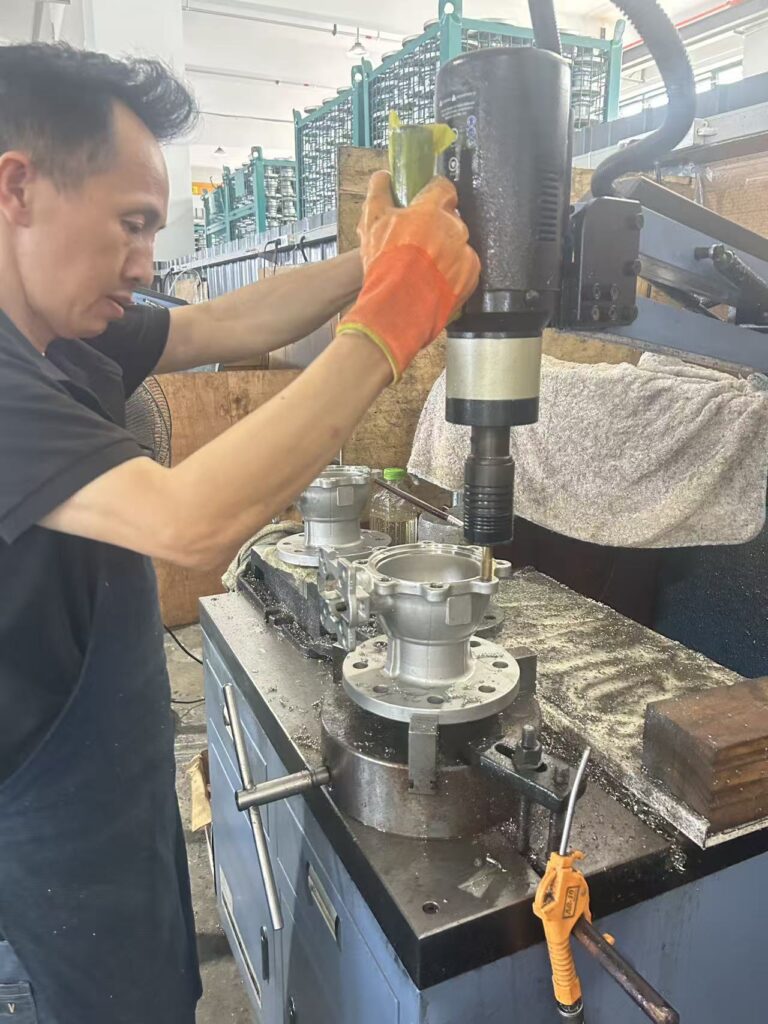
From Machining to Crate in Wenzhou
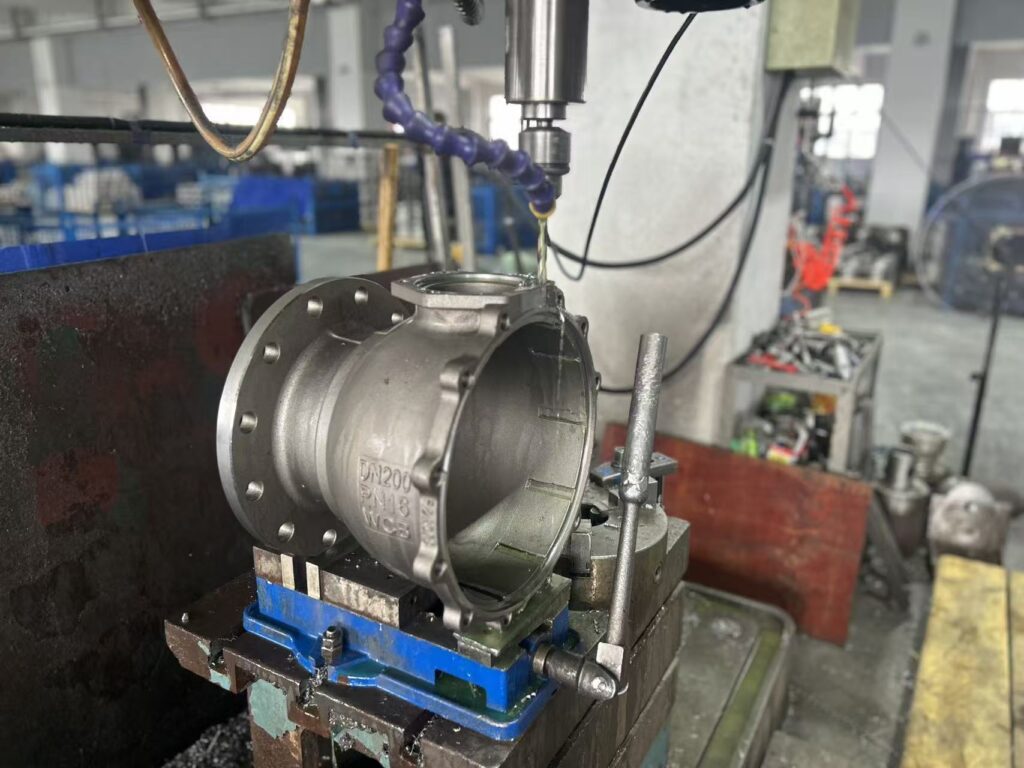 01 MACHINING
 02 DRILLING
 03 ASSEMBLY
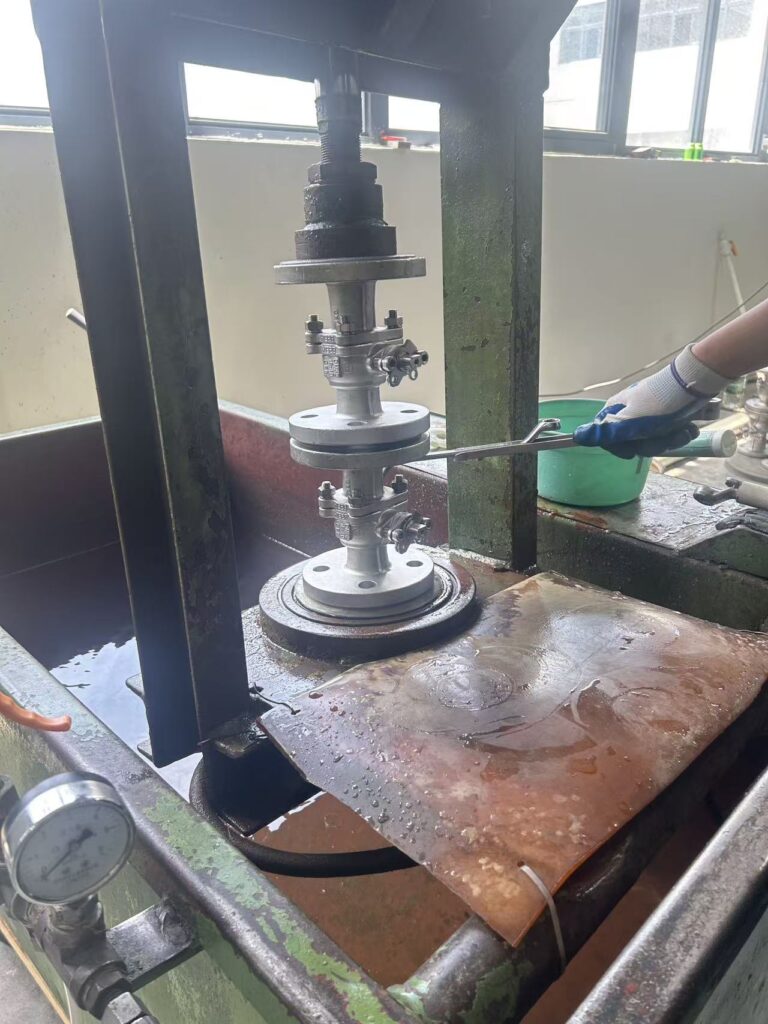 04 PRESSURE TEST
See the valve before you order
Real footage from our ball valve line. Want to see your own order? Book a live video call and we show your valves on the test bench.
Book a Video Tour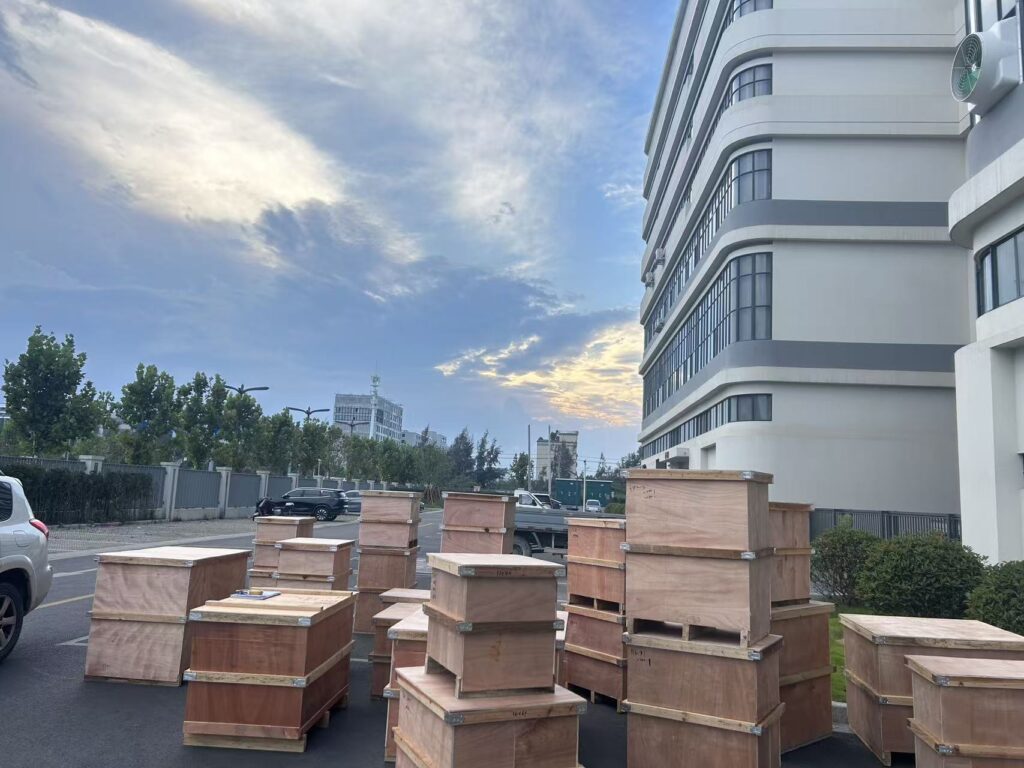 CRATED AT OUR PLANT
Packing & delivery
Packed for Sea Freight
- Flange faces capped to protect the sealing face
- Each valve bagged; the order packed in plywood cases
- Product test report inside every case
- Standard sizes ship in 15–20 days
Buyer's guide
 API 608 Ball Valves: What the Standard Covers and How to Specify OneSizes and pressure classes under API 608, API 608 vs API 6D, and an 8-point checklist for your enquiry.Read the guide →
 Soft-Seated vs Metal-Seated Ball Valves: How to ChoosePTFE to +150 °C, RPTFE to +180 °C, metal seats to +420 °C — when a metal seat is worth the extra torque and cost.Read the guide →
Related
Related Ball Valves


Need a Quote for This Valve?
Send size, class, body material and quantity. An engineer replies within 24 hours.