Since 1994 · Wenzhou plant · Built to API 608 / ASME B16.34 · Europe office in Budapestsales@bautu.comWhatsApp +36 30 713 3633
Choose a soft-seated ball valve (PTFE or RPTFE seats) for clean liquids and gases up to +150 °C (PTFE) or +180 °C (RPTFE): it seals bubble-tight, turns easily and costs less. Choose a metal-seated ball valve when the line runs hotter — our metal-seated range goes up to +420 °C — or when the media carries particles, scale or crystals that would cut a soft seat.
| Soft seat (PTFE / RPTFE) | Metal seat | |
|---|---|---|
| Temperature | PTFE −29 to +150 °C RPTFE up to +180 °C | Up to +420 °C on our range |
| Media | Clean water, oil, gas, most chemicals | Hot media, slurry, powders, media with scale or crystals |
| Seat material | PTFE or reinforced PTFE ring | Hardfaced metal seat and ball (e.g. Stellite) |
| Tightness | Bubble-tight | Tight, with a small leakage rate allowed by API 598 for metal seats |
| Operating torque | Lower | Higher — size the actuator accordingly |
| Price | Lower | Higher |
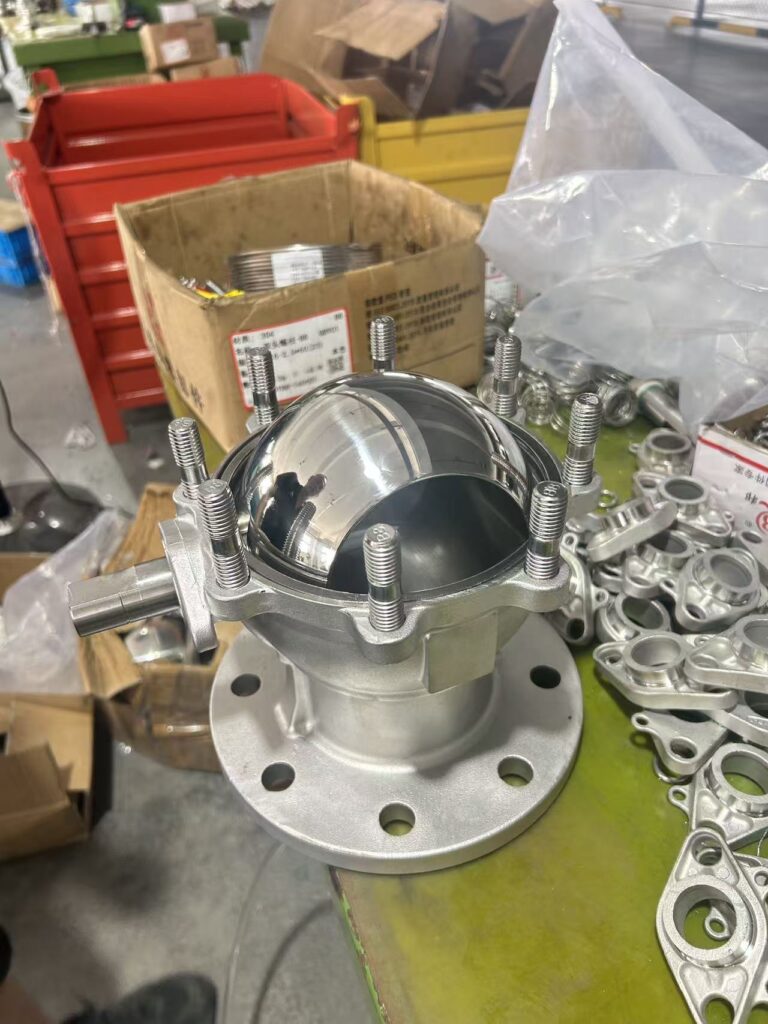
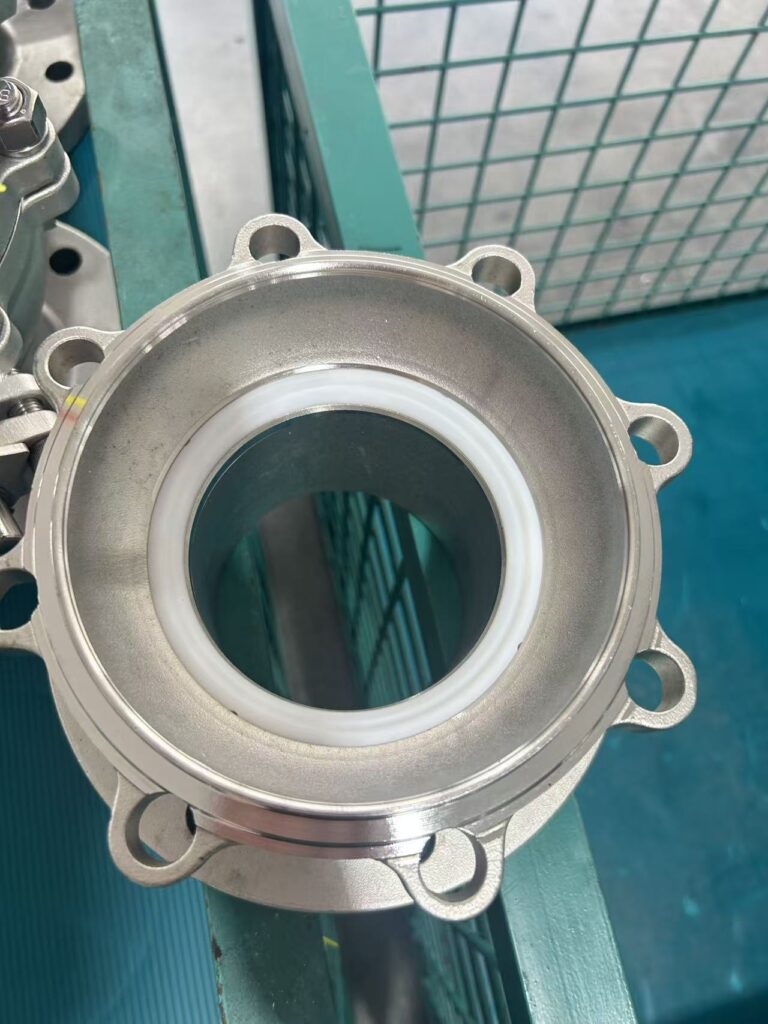
Most ball valves in water treatment, utilities, light chemical and general process lines are soft-seated. The PTFE ring deforms slightly against the ball, so the valve closes bubble-tight with little force. That keeps the hand lever light and lets you use a smaller pneumatic or electric actuator.
Stay within the seat’s temperature limit. Standard PTFE is good from −29 to +150 °C. If the line runs a little hotter, reinforced PTFE (RPTFE) takes you up to +180 °C. Above that, PTFE starts to soften and the seal is lost — that is the point to move to a metal seat.
A metal seat is the answer for two jobs a soft seat cannot do:
Two things to plan for: a metal-seated valve needs more torque to turn, so the actuator must be sized for it; and API 598 allows a small, specified leakage rate on metal seats, while soft seats must show no visible leakage.
Both types are made in our own plant in Wenzhou, China, in WCB, CF8 and CF3M bodies, and pressure-tested to API 598 before shipment. Every order ships with our Product Test Report; lead time is 15–20 days.
Standard PTFE seats are rated from −29 to +150 °C. Reinforced PTFE (RPTFE) seats go up to +180 °C. Above that, choose a metal-seated ball valve.
Our metal-seated ball valves are rated up to +420 °C, depending on body material and pressure.
Not in the same way as a soft seat. API 598 allows a small, specified leakage rate for metal-seated valves, while soft-seated valves must show no visible leakage. If you need zero leakage and the temperature allows it, choose a soft seat.
Usually yes. Metal seats need more operating torque than PTFE seats, so the pneumatic or electric actuator must be sized for the metal-seated torque. Send us the size and pressure and we will size it.
A metal seat. Particles and scale cut PTFE seats quickly; hardfaced metal seats resist that wear.
Related guide: API 608 Ball Valves: What the Standard Covers and How to Specify One
